The best Alaska cruise tips come down to five habits: book the itinerary before the ship, dress for 50°F rather than 80°F, spend glacier days outside, treat all-aboard times as deadlines with a buffer, and budget for the extras before you compare fares. Everything else on this page, 75 tips in all, is organized by trip phase, from booking to the morning you walk off the ship.
These tips are for first-time Alaska cruisers who’ve never tendered ashore, sat through a scenic-cruising day or wondered why their phone just charged them for a call at sea. The caveat that matters: fees, rules and schedules change every season, so every number here is dated. Last updated October 18, 2026. Every price, fee and schedule below is dated, and the sources are listed at the end.
The ten Alaska cruise tips that matter most
| Tip | Why it matters |
|---|---|
| Pick the itinerary, then the ship | Glacier Bay, Hubbard Glacier and the ports differ more than the ships do |
| Check whether your sailing enters Glacier Bay | Only six lines hold permits, and not every sailing goes in |
| Fly in the day before | One delayed flight can cost you the cruise |
| Pack layers and real rain gear | Juneau’s average July high is 64°F, and it rains on 16 to 22 days a month |
| Bring binoculars, one pair each | Most wildlife is hundreds of yards away |
| Spend glacier day on deck | It’s the highlight of the trip, and it doesn’t last |
| Build a buffer into independent tours | The ship waits for its own excursions, not yours |
| Price the extras | Gratuities of $18 to $20 per person per day add up fast |
| Wash hands with soap, not just gel | CDC says hand sanitizer doesn’t work well against norovirus |
| Put your phone in airplane mode at sea | Ship-based cellular roaming can be very expensive |
If this is your very first cruise of any kind, start with our first-timer’s Alaska cruise guide, which explains routes, ships and seasons, and then come back here for the practical details.
What’s changed for 2027
- Internet is finally good. Royal Caribbean says every ship offers Starlink-based service, Norwegian sells Starlink-powered unlimited packages, Holland America finished Starlink on all its ships in 2023, and Princess sells a Starlink tier. Coverage still drops in steep fjords.
- Gratuities went up in 2026. Princess and Holland America charge $18 per person per day in standard cabins, Royal Caribbean $18.50, Celebrity $19.50 and Norwegian $20.
- Tracy Arm is provisional. After the August 10, 2025 landslide-tsunami, Carnival, Holland America and Royal Caribbean used Endicott Arm and Dawes Glacier in 2026.
- Juneau is capped. Voluntary agreements limit Juneau to five large ships a day and 16,000 lower berths, or 12,000 on Saturdays.
- Skagway’s ranger walks ended, replaced by a self-guided tour on the NPS app, though the free Jeff Smith’s Parlor ranger tour continues.
- Mendenhall’s fee may triple. The Forest Service proposed in May 2026 raising the day fee from $5 to $15, with under-16s still free.
Alaska cruise tips for booking
Most of the decisions that shape an Alaska cruise are made months before you sail: the route, the month, the ship, the cabin and the one excursion you can’t miss. Get these right and the rest is easy. These twelve tips cover the choices first-timers most often regret.
1. Book 12 to 18 months ahead for the best cabins
The big lines opened their 2027 Alaska seasons 18 to 21 months in advance: Norwegian announced on July 23, 2025, Carnival the next day, Holland America on August 7 and Royal Caribbean on October 22. Balconies, suites and connecting cabins go first. Last-minute deals exist in May and September, but you’ll take whatever cabin is left.
2. Choose the route before the ship
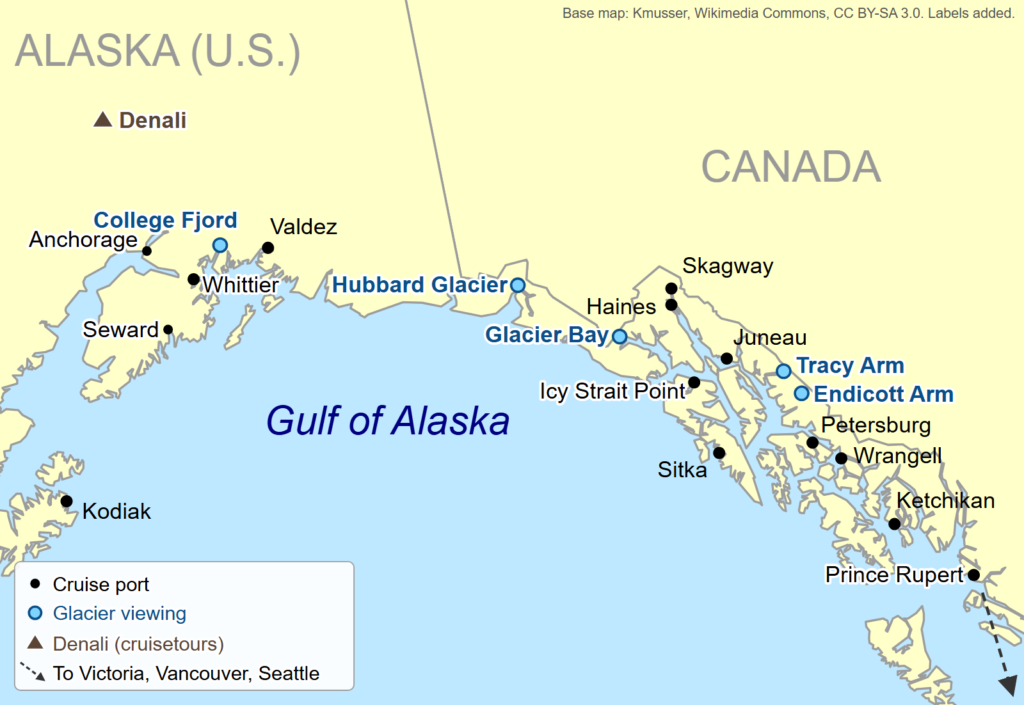
Round trips from Seattle or Vancouver are simpler and usually cheaper, but they spend two days getting to and from Alaska. One-ways between Vancouver and Seward or Whittier add the Gulf of Alaska glaciers and pair naturally with Denali, at the cost of open-jaw flights. Decide which trip you want first, and the list of ships gets much shorter.
3. Check whether your sailing enters Glacier Bay
Only six cruise lines hold Glacier Bay permits: Princess, Holland America, Norwegian, Seabourn, Cunard and Viking. The park allows no more than two cruise ships a day, so not every sailing on those lines goes in. If the park matters to you, read the day-by-day itinerary, not the brochure.
4. Treat Tracy Arm as provisional
Tracy Arm’s famous fjord was hit by a landslide-tsunami on August 10, 2025, and USGS expects continued rockfall from the scar. Some 2027 itineraries still list it, but several were announced before the slide. Expect a possible swap to Endicott Arm and Dawes Glacier, which is just as dramatic.
5. Pick the month for what you want
June is drier and often cheaper, with long daylight and peak humpback feeding. July is the warmest and busiest. August brings salmon and bears, and more rain. September is the wettest month in Juneau, with 9.15 inches on average, but fares drop and the crowds thin. No month is warm, and no month is dry.
6. Choose the cabin for the scenery, not the square footage
A balcony earns its price in Alaska on glacier days and in narrow channels, when you can step outside without fighting for rail space. An inside cabin, meanwhile, is the best room on the ship for sleeping through 17-hour days. Our guide to the best cabin for Alaska cruise travel compares every category.
7. Don’t pay extra for a side of the ship
People agonize over port or starboard. At glaciers, ships usually turn slowly so both sides get the view, and in channels the scenery is on both sides anyway. On a one-way cruise, a side can matter slightly, but it’s rarely worth a big premium.
8. Go midship and low if you get seasick
Seasickness on an Alaska cruise is less common than on open-ocean routes, since the Inside Passage is sheltered. But Seattle and Vancouver sailings cross exposed stretches such as Queen Charlotte Sound and Hecate Strait, and one-ways cross the open Gulf of Alaska. A cabin midship on a lower deck moves least.
9. Price the extras before you compare fares
Daily gratuities run $18 to $20 per person on the big lines, so a couple pays about $250 to $280 for a week. Alaska’s passenger excise tax is $34.50 per person, usually folded into taxes and fees. Add drinks, Wi-Fi and excursions, and a cheaper fare can end up costing more than a line that includes them.
10. Book your must-do excursion early
Helicopter glacier landings and dog-sledding tours are limited by aircraft seats and weather windows, and they sell out in summer. Temsco’s Juneau glacier walk cost $409 per person in 2026, and its dog-sledding tour $699. Book the one you really want when you book the cruise, and fill in the rest later.
11. Buy travel insurance with medical and delay cover
Alaska’s weather cancels flights and floatplanes, and a medical evacuation from a remote port is very expensive. A policy that covers trip delay, missed connections and medical care at sea is worth more on this route than on most.
12. Get a passport book, even for a round trip
Closed-loop cruises from Seattle accept a birth certificate and photo ID for U.S. citizens, but cruise lines and CBP recommend a passport book, because if you must leave the ship in Canada or fly home early, you’ll need one to board an international flight. One-ways and any Vancouver departure require one.
Before you go
The weeks before the cruise are for logistics: flights, apps, the right clothes and a plan for your phone. Alaska punishes the traveler who packs for a Caribbean cruise, and rewards the one who arrives a day early with a rain jacket and binoculars.
13. Fly in the day before
Summer flights into Seattle, Vancouver and Anchorage are busy, and weather delays happen. Ships don’t wait for late flights. From Seattle-Tacoma airport, the cruise terminals are about 30 to 45 minutes by car, depending on traffic, so a night nearby removes all the stress.
14. Download the apps before you leave home
Your cruise line’s app handles check-in, dining times and the daily schedule, and many work over the ship’s network without paying for Wi-Fi. Also download the National Park Service app and its offline content: in Skagway, the park’s self-guided historic tour now runs on it.
15. Pack layers, not a parka
Juneau’s average July high is 64°F and the low about 50°F, and glacier decks feel far colder. Layers beat a heavy coat: a base layer, a fleece and a waterproof shell cover almost every day. Our Alaska cruise packing list has the full checklist.
16. Bring binoculars, one pair per person
Whales, bears and mountain goats are usually hundreds of yards away. Sharing one pair between two people means someone always misses the moment. An 8×42 or 10×42 pair, waterproof if possible, is the single best piece of Alaska gear you can buy.
17. Waterproof shoes and a real rain shell
Juneau averages 6.41 inches of rain in August, and rain falls on roughly 16 to 22 days a month through the season. A cheap poncho won’t last. A breathable rain jacket with a hood and shoes that shrug off puddles make port days comfortable instead of soggy.
18. Check your phone plan for roaming at sea
Near port towns, phones usually connect to U.S. networks. At sea and in Canadian waters, they can latch onto the ship’s maritime cellular network, which charges very high roaming rates. Put your phone in airplane mode at sea, use Wi-Fi calling on the ship’s internet, and check your carrier’s cruise rules before you go.
19. Pack medications and motion remedies in your carry-on
Your checked bags may not reach your cabin until evening on boarding day. Keep medications, seasickness remedies, documents and a warm layer with you, along with enough of any prescription for the whole trip plus a few days’ spare.
20. Bring an eye mask for the long days
On the June solstice, Juneau’s sun rises at 3:51 a.m. and sets at 10:08 p.m., and twilight lasts until nearly 11:30. Farther north it’s longer still. An eye mask, or clips to close curtain gaps, helps you sleep when the sky refuses to get dark.
Boarding day
Boarding day sets the tone for the week. The goal is simple: get on smoothly, get your bearings, and book the things that sell out before everyone else does.
21. Arrive at your assigned check-in time
Most lines assign check-in windows to spread the crowds. Arriving earlier usually means waiting outside; arriving later can mean long lines as the ship’s deadline approaches. Stick to your window, and you’ll often walk straight through. Finish online check-in and have your boarding pass ready on your phone or on paper, and the terminal goes faster still.
22. Carry a boarding-day bag
Your suitcases are delivered to the cabin during the afternoon or evening. A small bag with documents, medications, a jacket, chargers and a swimsuit if you plan to use the pool means you can enjoy the first afternoon instead of waiting for luggage. Pack it as if the suitcases might arrive late, because on busy days they sometimes do.
23. Know your Seattle options
Parking at Seattle’s Smith Cove Cruise Terminal at Pier 91 started at $27 a day in 2026, including the shuttle to the ship. Without a car, Link light rail runs from the airport to downtown Westlake in about 40 minutes, and Pier 66 is about six minutes from Westlake by car and Pier 91 about fifteen.
24. Book dinners and shows on day one
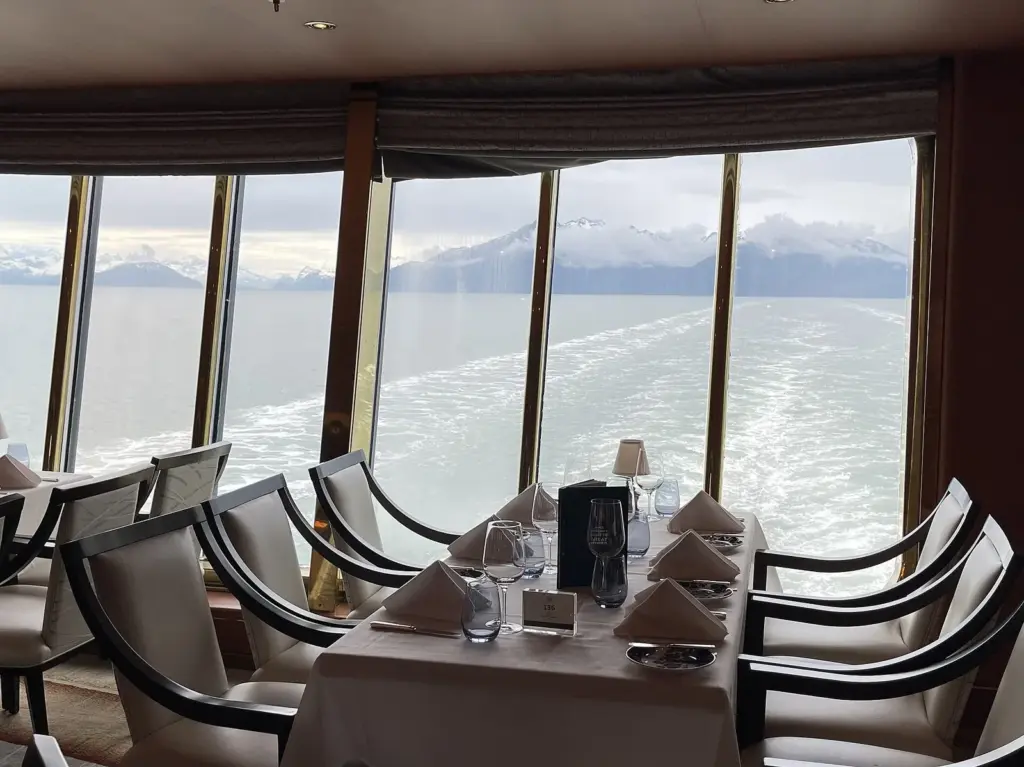
Specialty restaurants and popular shows fill fast, and the best times go first. Book them through the app or at the desk on the first afternoon, before everyone else finishes unpacking. On scenic evenings, ask for a window table; the view changes with every course.
25. Scout the viewing spots before the first scenic day
Walk the ship on the first evening and find three places to watch from: a forward-facing lounge for cold or wet days, an open deck near the bow and a sheltered promenade. On the first glacier morning, you’ll know exactly where to go.
26. Book the spa for sea days, early
Sea days are when everyone wants a massage, so the best slots go quickly. An Alaska cruise spa visit, especially a thermal suite with a view, is a good way to spend a gray afternoon at sea, and some lines discount treatments on port days, when the ship is quieter.
27. Take the muster drill seriously
It’s required and it’s short. Learn your station and the route there from your cabin, because Alaska’s cold water is one place you never want to need it. Many lines now run the safety video through the app with a quick check-in at your station; either way, it’s mandatory.
On board and on sea days
Life on board in Alaska is different from a warm-water cruise. Fewer people lounge by the pool, more of them crowd the rails, and the most valuable things on the ship are a warm drink, a good window seat and a naturalist who knows what you’re looking at.
28. Use sea days for the ship
Alaska cruise sea days are your chance to enjoy the ship: the pools on a sunny afternoon, a lecture, a long lunch. They’re also good for watching the channels, since wildlife doesn’t only turn up near ports. Plan them loosely, and keep binoculars handy.
29. Go to the naturalist talks
Many lines carry naturalists or wildlife experts in Alaska; Holland America, for example, offers onboard wildlife experts and brings park rangers aboard in Glacier Bay. An Alaska cruise naturalist explains what you’ll see, when and where, and knowing what to look for doubles what you find.
30. Expect good internet, with gaps
With Starlink now on the major lines, video calls and streaming work on many ships, for a price. Coverage still drops in steep fjords and near glaciers, where the mountains block the sky. Our guide to Alaska cruise wifi compares the packages; the short version is to buy the cheapest plan that covers your real needs.
31. Check what time it is
Alaska is one hour behind Seattle, Vancouver and Victoria, which run on Pacific time. Princess notes that all of its Alaska destinations are on Alaska time. Ships may change their clocks during the cruise, so always check whether a tour time or an all-aboard time is ship’s time or local time. Our Alaska cruise time zone explainer covers the details.
32. Eat the local seafood
Salmon, halibut and Alaska crab are the signatures of Alaska cruise food, on board and ashore. Ask the dining room about any local specials, and try fresh fish in port at least once. It’s the best souvenir you can eat.
33. Wash your hands with soap and water
An Alaska cruise norovirus outbreak is unusual, but any ship can have one. CDC says hand sanitizer doesn’t work well against norovirus, so wash with soap and water for at least 20 seconds before eating and after using the bathroom. Use the gel too, but don’t rely on it.
34. Be on deck early and late
The quietest, calmest hours on deck are early morning and the long evenings, and they’re often the best for wildlife and light. A coffee at 6 a.m. in a sheltered corner of the deck can deliver a whale before breakfast.
35. Keep announcements within reach
When naturalists spot whales, they announce it. If you’re in the cabin, keep the TV on the ship’s information or bridge-camera channel, or turn on notifications in the line’s app, so you don’t miss the orca everyone else saw.
36. Don’t buy a drink package by reflex
Mainstream drink packages typically cost about $60 to $90 per person per day before service charges, and most lines require every adult in a cabin to buy one if one person does. Count your real drinks before committing; many Alaska cruisers spend their evenings on deck, not at the bar.
37. Pack for a week, not for every scenario
Casual clothes dominate Alaska cruises, with one or two dressier evenings on most lines. Layers mix and match, and most ships have launderettes or laundry service. A carry-on-sized capsule wardrobe beats a bulging suitcase, especially on one-ways with train and bus transfers.
38. Photograph smart
The best Alaska cruise photography tips are simple: shoot in the soft light of early morning and late evening, use a zoom for wildlife, keep a cloth handy for rain and spray, and put the camera down for the big moments. A polarizing filter cuts glare off water and ice.
Glacier days
Glacier day is the one you’ll talk about for years, whether it’s Glacier Bay, Hubbard Glacier, Endicott Arm or College Fjord. It’s also the day people most often waste, by watching through a window or arriving on deck after the best hour. Here’s how a typical glacier day unfolds, and how to spend it.
| When | What’s happening | What to do |
|---|---|---|
| Early morning | The ship enters the fjord or bay; in Glacier Bay, rangers board | Breakfast early; check the planner for the glacier time |
| Approach, about an hour | Floating ice thickens, the walls close in, wildlife on the ice and cliffs | Dress for winter and get outside; binoculars on the ice |
| At the face | The ship holds position and turns slowly; calving is most likely to be seen now | Stay put, watch the face, listen for the crack |
| Departure | The ship heads back out; crowds thin | Warm up, then return to the rail for the quieter views |
| Afternoon | Open water or channels | Naturalist talk, hot drink, nap |
39. Find out when you’ll reach the glacier
The daily planner or the naturalist’s talk will give a rough time for the glacier approach. Plan your day around it: eat early, dress warmly and be outside for the final hour of the approach, when the fjord narrows and the ice appears.
40. Dress for winter, even in July
Air over a tidewater glacier is chilled by the ice, and a moving ship adds wind. Hats, gloves and your warmest layer turn a ten-minute look into an hour on deck. Hot drinks help.
41. Find the rangers in Glacier Bay
In Glacier Bay, National Park Service rangers board each cruise ship to give commentary and staff an information desk. Their narration explains the retreat of the ice, the Huna Tlingit homeland and the wildlife, and it’s free. Find the desk early; boarding times vary by day, line and weather.
42. Watch and listen for calving
At tidewater glacier faces, blocks of ice up to 200 feet high can calve into the sea, according to the Park Service. You’ll often hear the crack, known locally as white thunder, before you see the splash. Keep watching the face; calving comes in clusters.
43. Know Hubbard’s scale
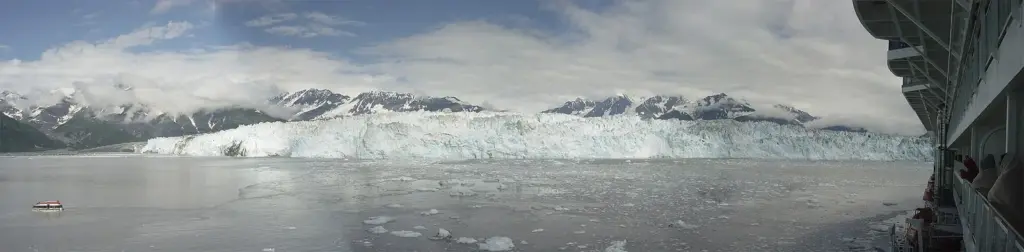
Hubbard Glacier is North America’s largest tidewater glacier: 76 miles long, 7 miles wide, with a face about 600 feet tall, roughly 350 feet above the water and 250 below. Ships often can’t get as close as passengers hope because of floating ice, so bring binoculars.
44. Look for seals on the ice
Harbor seals rest on floating ice near glaciers. Scan the ice closest to the ship with binoculars: the dark shapes that move are seals. On the cliffs above, white dots are often mountain goats.
45. Don’t fight for the bow
The bow is crowded and windy. Ships usually rotate slowly in front of a glacier so both sides get the view, and upper decks near the stern are often quieter. If your cabin has a balcony, it’s a front-row seat when the ship turns. Traveling with someone? Split up, one on each side, and message each other when the ice starts to move.
46. Don’t give up on fog
Glacier mornings are often gray. Fog and low cloud can lift quickly, and even a partial view of a glacier face is memorable. Stay out through the approach unless the captain announces a change. Some of the most striking glacier photos are the moody, low-cloud ones.
47. Accept the swap if it comes
Ice conditions, weather and park limits sometimes force a change of glacier. Endicott Arm, Hubbard Glacier and College Fjord are all spectacular in their own right; the day is rarely wasted.
Alaska cruise tips for port days
Port days are where the logistics matter most. Each Alaska port has its own quirks: shuttles, tenders, crowds, passport rules for trains and weight limits for ziplines. This quick reference shows the essentials as of 2026; the tips below explain them.
| Port | Getting ashore | Key tip |
|---|---|---|
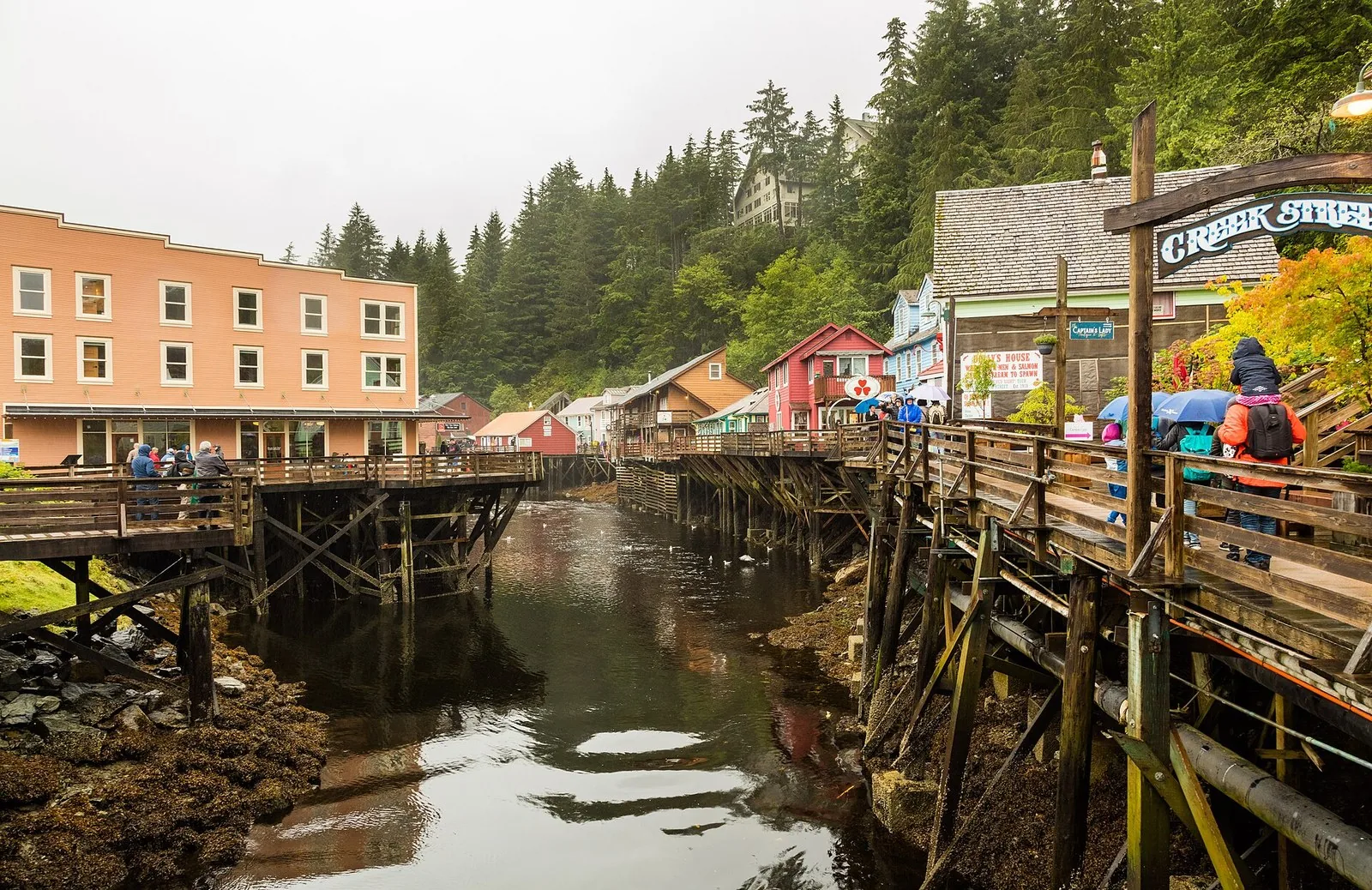
| Ketchikan | Docks downtown | Salmon in Ketchikan Creek from July; free downtown shuttle, per local guides |
| Juneau | Docks downtown; a fifth ship may anchor | Five large ships a day at most; go early or late |
| Skagway | Docks; Railroad Dock passengers ride a shuttle | Summit train needs no passport; Fraser and Carcross do |
| Sitka | Terminal about 5 miles out, or tender into town | Free shuttle to downtown during port hours |
| Icy Strait Point | Near Hoonah, a private destination | ZipRider weight limits: 75 to 275 pounds |
| Haines | Dock less than half a mile from downtown | Shuttle when a ship is in; easy walking town |
| Victoria | Evening call on many Seattle round trips | Butchart tickets are non-refundable if the ship is late |
48. Treat all-aboard as a hard deadline
The ship publishes an all-aboard time, usually well before departure. If you miss it, the ship can and will leave, and catching up at the next port is expensive and stressful. Our Alaska cruise port day tips go port by port; the rule everywhere is to be back early.
49. Know who the ship waits for
Ships wait for their own excursions. Royal Caribbean, for example, guarantees that if a tour it sold is delayed, the ship will wait, but says it won’t wait for guests on independent tours. Most lines have a similar policy.
50. Build a buffer into independent tours
Independent tours are often cheaper and smaller, but you carry the risk. Add up the tour time and the transfer back to the ship, then add a 45- to 60-minute buffer before all-aboard. If the math is tight, book the ship’s version.
Here’s how the math works on a typical afternoon. Suppose all-aboard is 4:30 p.m. and the tour you like lasts three hours:
| Step | Time |
|---|---|
| All-aboard | 4:30 p.m. |
| Minus a 60-minute buffer | Back at the dock by 3:30 p.m. |
| Minus a 30-minute transfer from the tour | Tour must end by 3:00 p.m. |
| Minus a three-hour tour | Tour must start by noon |
If the only departure is at 1 p.m., book the ship’s tour instead, or pick a shorter one.
51. Beat the Juneau crowds
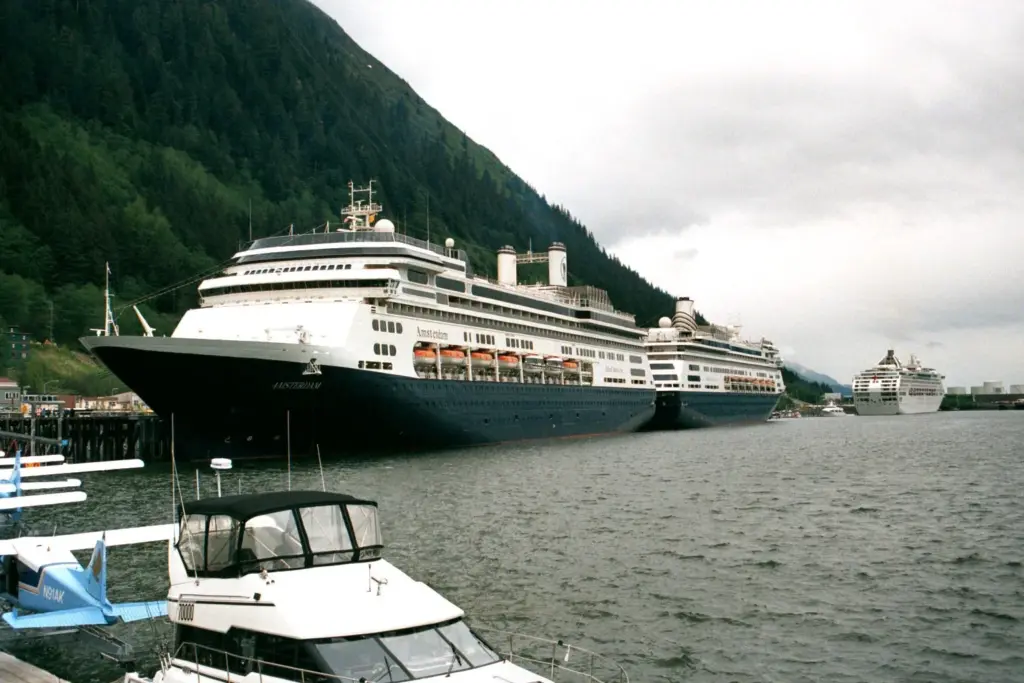
Juneau caps cruise traffic at five large ships a day and 16,000 lower berths, 12,000 on Saturdays, under voluntary agreements. Before the caps, the busiest days brought about 21,000 passengers. Head out early or return late, and save downtown for the quieter end of the day.
52. Do Mendenhall on your own if you like
You don’t need a ship tour to reach Mendenhall Glacier. Commercial shuttles ran about $79 per adult in 2026 including the $5 day fee, according to Juneau guides, which the Forest Service has proposed raising to $15; visitors under 16 are free. The visitor center was open 9 a.m. to 6 p.m. daily in summer 2026.
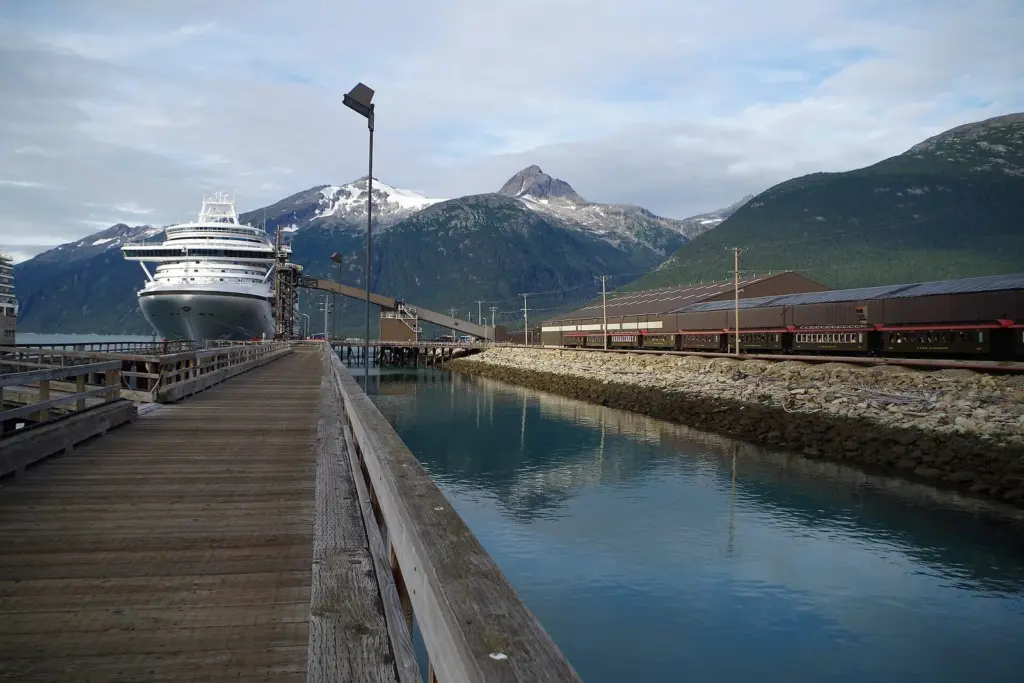
53. Allow for Skagway’s shuttle
Skagway’s Railroad Dock sits below an active rockslide zone and has been closed to pedestrians since 2022, so passengers docked there ride a shuttle or small boat instead of walking. Allow extra time on both ends of the day.
54. Match the train to your passport
The White Pass and Yukon Route’s Summit round trip needs no passport. Its trips to Fraser, Bennett and Carcross cross into Canada and do. If you booked a longer train trip, pack the passport before you leave the cabin.
55. Ketchikan is free to explore on foot
Local guides describe a free downtown shuttle on ship days, and Ketchikan’s best sights are close to the docks anyway. Salmon crowd Ketchikan Creek at Water and Bayview streets from July through October. For a splurge, Taquan Air’s Misty Fjords floatplane tour started at $329 per person in 2026.
56. Take the shuttle in Sitka
Many ships dock at the privately run Sitka Sound Cruise Terminal, about 5 miles from downtown. A free, continuous shuttle runs to Harbor Drive during port hours, so there’s no need for a taxi. Some smaller ships anchor and tender into town instead.
57. Check weight limits before the zipline
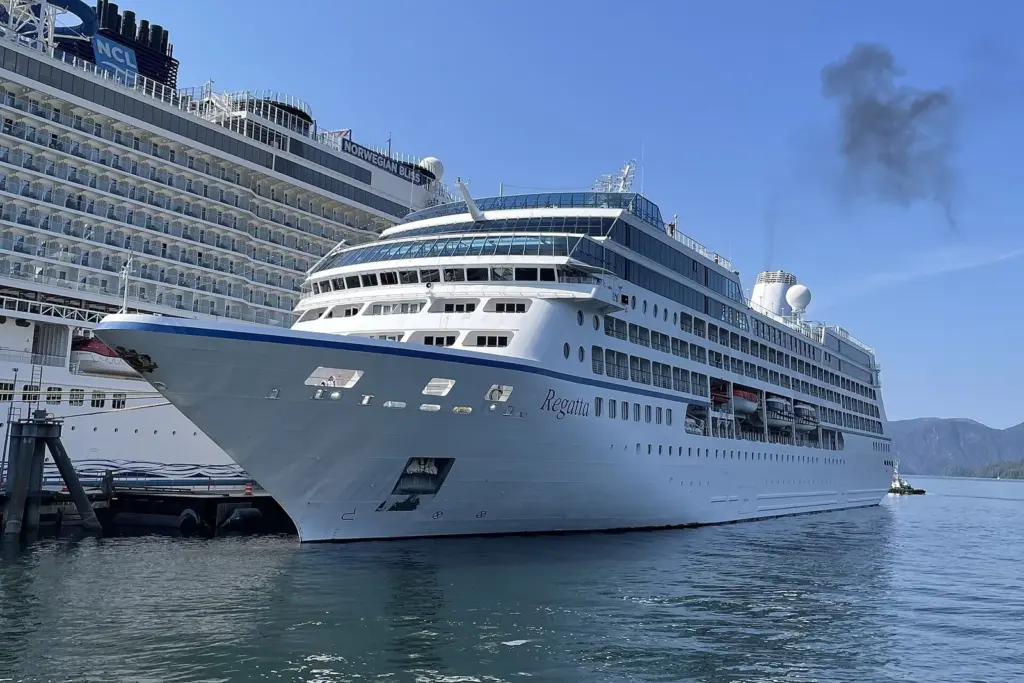
Icy Strait Point’s ZipRider requires riders to weigh between 75 and 275 pounds, and the tour lasts 1.5 hours. Many adventure tours have similar age, weight or mobility limits, so read the fine print before you book.
58. Enjoy Haines’s short walk
In Haines, ships use the Port Chilkoot dock in front of historic Fort William H. Seward, less than half a mile from downtown, with a shuttle when a ship is in port. It’s one of the easiest walking towns on the route.
59. Read Victoria’s evening rules
Seattle round trips often call at Victoria in the evening. The Butchart Gardens extends its hours on certain cruise-ship evenings, but it warns that online tickets are non-refundable even if a ship is delayed or cancels the call. Book the ship’s transfer if the timing is tight.
60. On tender days, go early or late
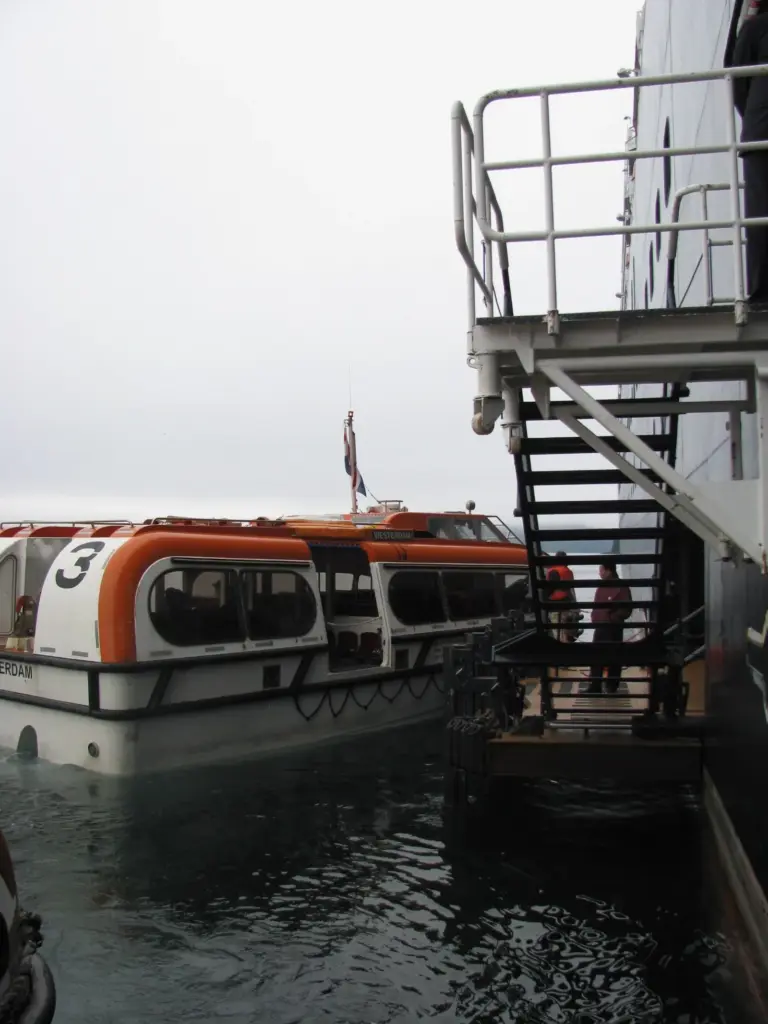
When a ship anchors, small tender boats carry passengers ashore, and the first hour is always the busiest. Either go on the first tender with a plan, or wait an hour and walk straight on. Tender platforms involve steps, so leave the big stroller behind. Check the daily planner for tender-ticket instructions, since many lines give priority to guests on the ship’s own tours.
61. Treat port shopping talks as advertising
The onboard port-shopping presentations and free maps steer passengers to particular stores, often jewelry shops that pay to be featured. There’s nothing wrong with shopping, but compare prices, and don’t let a “free charm” decide your port day.
62. Look for the Silver Hand when buying Native art
The state’s Silver Hand seal marks original artwork made by hand in Alaska by an individual Alaska Native artist. Artists must be at least 18, full-time Alaska residents and documented members of a federally recognized Alaska Native tribe. It’s the simplest way to know your money goes to the artist.
Health and comfort
Alaska is a gentle cruise for most people, but the cold, the long days and the small boats bring a few health and comfort issues that warm-water cruises don’t.
63. Treat seasickness before it starts
Take your remedy before you reach the exposed stretches, not after you feel sick. Fresh air and a view of the horizon help more than lying down. Small tour boats move far more than the cruise ship, so dose before whale tours too.
64. Wear sunglasses and sunscreen
Glare off water and ice is intense on clear days, and the long daylight adds up. Polarized sunglasses help you spot whales, too. Snow and ice reflect sunlight strongly, so you can burn on a cool, bright glacier day without feeling warm.
65. Protect your sleep
With so much daylight, it’s easy to stay up late every night and crash by day four. Keep a rough bedtime, use the eye mask, and schedule a slow morning after a long port day. Skip late coffee too; it doesn’t help when the sun is still up at 10 p.m.
66. Know how the medical center works
Ships carry a medical center with a doctor and nurses, but visits are charged, often at high rates, and billed to your onboard account. Travel insurance with medical coverage turns an expensive surprise into a claim.
67. Plan around mobility limits
Long piers, tender steps, gravel trails and shuttle buses are the hurdles in Alaska. Request mobility assistance when you book, choose docked ports for your big excursions, and ask each tour operator about access before you pay.
Money
The fare is only part of the cost. Gratuities, drinks, excursions and small charges on your cruise card add up, and a little planning keeps the final bill from spoiling the last night.
68. Understand the automatic gratuities
Daily gratuities are added to your onboard account automatically: $18 per person per day on Princess and Holland America in standard cabins in 2026, $18.50 on Royal Caribbean, $19.50 on Celebrity and $20 on Norwegian. Princess adds a 20% service charge on drinks and other extras. Budget for them from the start.
69. Use dollars in Alaska, cards in Canada
Alaska ports use U.S. dollars. In Victoria and Vancouver, cards work almost everywhere, and many shops accept U.S. cash at their own exchange rate. There’s no need to buy Canadian dollars for a single evening call. Use a card without foreign transaction fees for Canadian stops, and tell your bank you’re traveling.
70. Watch your onboard account
Everything on board goes on your cruise card. Check the running total in the app every couple of days, so the final bill holds no surprises, and question any charge you don’t recognize before the last night. Check that the daily gratuities appear as you expect, and ask the guest services desk about any you want to adjust.
71. Budget for one splurge
Alaska’s signature excursions are expensive: helicopter tours, floatplanes and dog sledding run hundreds of dollars per person. Rather than a string of mid-priced tours, many travelers do better with free or cheap port days and one big splurge. Just pick it early.
Disembarkation
The last morning is the least glamorous part of the cruise, and the easiest to get wrong. A little planning gets you off the ship and to the airport without a sprint.
72. Book a sensible flight home
Ships dock early, but guests leave over a few hours. From Seattle, the airport is about 30 to 45 minutes away by car, and the Port Valet program can check bags from the ship to participating airlines for same-day flights. From Seward or Whittier, allow 2.5 to 3 hours or about 1.5 hours respectively to reach Anchorage.
73. Walk off with your own bags if you can
If you can carry your luggage, self-assist disembarkation lets you leave first, without waiting for your color or number to be called. It’s the fastest way off the ship. Check your line’s time slot for self-assist guests, usually the first group off.
74. Keep an outfit and essentials out on the last night
Bags go out the night before for porter-assisted disembarkation. Keep tomorrow’s clothes, medications and documents with you, and check the safe twice. Keep a warm layer out too; the pier is chilly at 7 a.m. in Seattle or Seward.
75. Consider a land extension
If your cruise ends near Anchorage, the land half of Alaska is right there. The Denali Park Road is expected to reopen fully for 2027, and the 2026 Tundra Wilderness Tour cost $144.75 for adults. A few days on land turn a good cruise into a complete Alaska trip.
Alaska Cruise Tips FAQ
What should I know before going on an Alaska cruise?
Expect cool, wet weather, with Juneau averaging a July high of 64°F. Pack layers, rain gear and binoculars. Check whether your itinerary includes Glacier Bay, book key excursions early, fly in the day before, and budget $18 to $20 per person per day for gratuities on the big lines.
What is the biggest mistake people make on an Alaska cruise?
Staying indoors on glacier day. Scenic cruising is the highlight of the trip, and it doesn’t last long. Close behind are underpacking for cold and rain, cutting independent tours too close to all-aboard, and assuming a phone plan covers calls at sea.
Is Wi-Fi good on an Alaska cruise?
Much better than it used to be. Royal Caribbean, Norwegian, Holland America and Princess all use Starlink, so streaming and video calls usually work. Coverage still drops in steep fjords and near glaciers, where mountains block the satellites. Packages cost extra on most lines.
Do I lose an hour on an Alaska cruise?
Yes. Alaska is one hour behind Pacific time, which Seattle, Vancouver and Victoria use. Ships may move their clocks during the cruise, so check whether tour and all-aboard times are in ship’s time or local time, and set your phone accordingly.
How do I avoid seasickness on an Alaska cruise?
Choose a cabin midship on a lower deck, take your remedy before exposed stretches such as Queen Charlotte Sound or the Gulf of Alaska, and get fresh air on deck. Most of the Inside Passage is sheltered, so many passengers feel little motion.
Will the ship wait if my excursion is late?
Only if you booked the tour through the cruise line. Royal Caribbean, for example, guarantees the ship will wait for a delayed ship-sold tour but not for independent tours. For independent tours, build in a 45- to 60-minute buffer before all-aboard.
How do I avoid norovirus on a cruise?
Wash your hands with soap and water for at least 20 seconds before eating and after the bathroom. CDC says hand sanitizer doesn’t work well against norovirus. If you get sick, report it to the medical center and stay in your cabin until cleared.
Related Alaska Cruise Guides
- Alaska Cruise Guide: How to Plan the Perfect Alaska Cruise (2027)
- Alaska Cruise Packing List: The Complete Checklist (Printable)
- Best Cabin for an Alaska Cruise: Balcony, Oceanview, Inside or Suite?
Sources and How We Checked
We checked the prices, rules, schedules and ship deployments in this guide against the sources below on September 24, 2026, and we log each one in our research database with the date it was checked. Cruise lines change ships, fares and fees every season, so confirm anything that affects your booking with the line or the agency concerned. Alaska Cruise Guide (AlaskaCruise.org) is an independent publication. It is not affiliated with any cruise line, port, tour operator or tourism office, and no one paid to be included.
- Alaska Department of Commerce: Alaska head tax
- Alaska Department of Fish and Game: Ketchikan salmon viewing
- Alaska Public Media: Skagway Railroad Dock rockslide
- Alaska Public Media: Tracy Arm 2026 itineraries
- Alaska State Council on the Arts: Silver Hand program
- alaska.org: Seward transfers
- Carnival Cruise Line news: Alaska 2027 outlook
- cdc.gov: norovirus
- Celebrity Cruises: gratuities – Celebrity
- City and Borough of Juneau: Juneau five-ship limit
- City and Borough of Juneau: Juneau passenger cap
- fcc.gov: cell service
- Holland America Line: gratuities – Holland America
- Holland America Line: Wi-Fi / Starlink
- Holland America Line: Alaska 2027 outlook, naturalists / rangers
- Icy Strait Point: Icy Strait Point
- Juneau Independent: Mendenhall Glacier
- Juneau Independent: Mendenhall Glacier
- KTOO Public Media: Juneau passenger cap
- National Park Service: Denali Park Road
- National Park Service: Denali bus tours
- National Park Service: Glacier Bay cruise permits
- National Park Service: Glacier Bay park facts
- National Park Service: Glacier Bay glaciers
- National Park Service: Glacier Bay cruise visit
- National Park Service: Klondike Gold Rush NHP
- National Park Service: Hubbard Glacier
- nauticalcharts.noaa.gov: rough water
- NOAA National Centers for Environmental Information: Juneau weather
- Norwegian Cruise Line: gratuities – Norwegian
- Norwegian Cruise Line: Alaska 2027 outlook
- Port of Seattle: Seattle SEA airport
- Port of Seattle: Seattle Pier 91
- PR Newswire (line press release): Alaska 2027 outlook
- Princess Cruises: time zones
- Princess Cruises: gratuities – Princess
- Princess Cruises: Alaska 2027 outlook, Anchorage gateway
- Royal Caribbean: gratuities – Royal Caribbean
- Royal Caribbean: shore excursions
- Royal Caribbean: Wi-Fi / Starlink
- Sitka Sound Cruise Terminal: Sitka Sound Cruise Terminal
- taquanair.com: Taquan Air
- Temsco Helicopters: Glacier dog sledding
- Temsco Helicopters: Temsco Helicopters
- The Butchart Gardens: Butchart Gardens
- thealaskaedit.com: Mendenhall Glacier
- thepointsguy.com: drink packages
- U.S. Customs and Border Protection: passport rules
- U.S. Forest Service: Mendenhall Glacier
- U.S. Geological Survey: Tracy Arm landslide
- U.S. Naval Observatory: Juneau daylight
- visithaines.com: Haines port
- visitktn.com: Ketchikan transport
- White Pass & Yukon Route: White Pass & Yukon Route
Photo Credits
- Creek Street, Ketchikan: photo by Diego Delso, via Wikimedia Commons (CC BY-SA 4.0)
- Noordam dining room: photo by Richard N Horne, via Wikimedia Commons (CC BY-SA 4.0)
- Hubbard Glacier from a cruise ship: photo by Kowloonese at en.wikipedia, via Wikimedia Commons (CC BY-SA 3.0)
- Cruise ships in Juneau: photo by User Lordkinbote on en.wikipedia, via Wikimedia Commons (CC BY-SA 2.0)
- Cruise ship at a Skagway dock: photo by GeneMJ530, via Wikimedia Commons (CC BY-SA 4.0)
- Oceania Regatta in Sitka: photo by Jackhayes1, via Wikimedia Commons (CC BY-SA 4.0)
- Tender boat from Westerdam, Sitka: photo by Barek, via Wikimedia Commons (Public domain)
- Alaska cruise region map: map by Kmusser, via Wikimedia Commons (CC BY-SA 3.0); ferry routes removed; cruise ports, glacier-viewing areas and Denali added by Alaska Cruise Guide