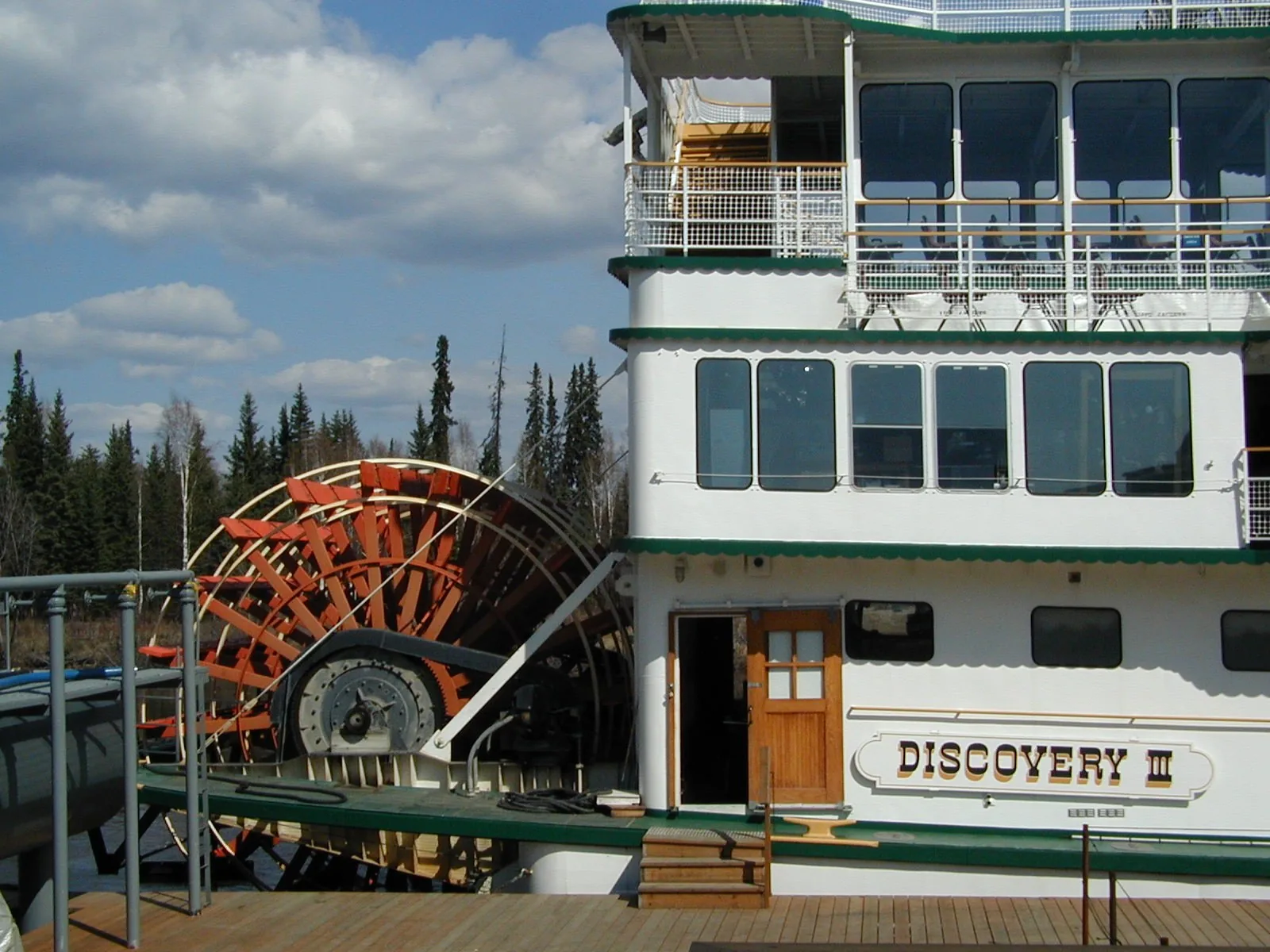
The best things to do in Fairbanks on an Alaska cruisetour are the Riverboat Discovery sternwheeler trip, the Gold Dredge 8 tour with its close-up look at the Trans-Alaska Pipeline, and the University of Alaska Museum of the North. Add Pioneer Park and a walk along the Chena River if you have a free evening, Chena Hot Springs if you have a free day, and the northern lights if your land tour runs after about August 21. In 2026 the riverboat was listed at about $106 for adults, the dredge at about $76 and the museum at $23. Fairbanks summers are warm, with July highs averaging about 73°F, and in June the sun barely sets.
This page is for cruise passengers whose land tour includes a night or two in Fairbanks, usually at the start or end of a trip that also takes in Denali. It covers what’s worth your limited time, what your cruisetour probably includes, what you should book yourself, and how to plan one or two days. The caveat: Fairbanks is a spread-out, car-oriented town, not a walkable port, so plan your transport as carefully as your tours. For the whole land-and-sea picture, see our guide to an Alaska cruise and land tour. Last updated November 7, 2026. Every price, fee and schedule below is dated, and the sources are listed at the end.
Fairbanks at a glance for cruisetour travelers
| If you have | Do this | Why |
|---|---|---|
| Half a day | The Riverboat Discovery | Three hours of Fairbanks in one trip: river life, sled dogs, a bush plane and Athabascan culture |
| A full day | Riverboat in the morning, Gold Dredge 8 or the museum in the afternoon | Covers the gold rush, the pipeline and the Interior’s people and wildlife |
| A free evening | Pioneer Park, a salmon dinner and a riverside walk | Long, light summer evenings are Fairbanks at its best |
| Two days | Add Chena Hot Springs or an Arctic Circle trip | The two classic longer excursions from town |
| A late-August or September stay | Stay up for the northern lights | Fairbanks’ aurora season starts around August 21 |
| No budget left | The pipeline viewing point, the Morris Thompson center and Creamer’s Field | Free, interesting and easy to reach by car or taxi |
How Fairbanks fits into an Alaska cruisetour
A cruisetour pairs a seven-night cruise with a land tour through Alaska’s Interior. Fairbanks is the Interior’s hub and the northern end of the Alaska Railroad, so it’s the natural first or last stop on many of these trips. The typical pattern is a one-way Gulf of Alaska cruise between Vancouver and Whittier or Seward, a train or motorcoach to Denali, and then either Fairbanks or Anchorage before your flight home.
The Alaska Railroad’s Denali Star runs daily in summer between Anchorage, Talkeetna, Denali and Fairbanks, and in 2026 an adult one-way Adventure Class ticket from Anchorage to Fairbanks cost $294, or $553 in GoldStar. Most cruisetour guests ride glass-domed railcars on the same line: Princess calls its service Direct-to-the-Wilderness, Holland America its McKinley Explorer, and Royal Caribbean and Celebrity use the Wilderness Express cars. Our Denali Star train guide explains the trip and what you’ll see from the window.
Where you sleep depends on your line. Princess owns the Fairbanks Princess Riverside Lodge, a 326-room, year-round hotel on the Chena River that opened in 1993. Other lines use Fairbanks hotels of their own choosing. Holland America’s Yukon itineraries go further: the line markets itself as the only one offering Yukon and Dawson City cruisetours, and trade press reported a 13-day itinerary for 2026 that flies guests from Fairbanks to Dawson City. Our Yukon cruisetour page covers those trips.
Here’s what matters for planning: a cruisetour night in Fairbanks often leaves you with an afternoon, an evening and maybe a morning free, and the included sightseeing varies a lot by line and package. Read your day-by-day itinerary before you book anything, because the Riverboat Discovery in particular is included in many packages.
| Cruisetour question | What to check |
|---|---|
| Which direction? | Land tour before the cruise (you start in Fairbanks) or after (you finish there) |
| How many nights? | One night leaves an evening; two nights leave a full day |
| What’s included? | Many packages include the Riverboat Discovery or a city tour; check before booking extras |
| Where’s the hotel? | Riverside lodges are pleasant but not downtown; plan taxis or shuttles |
| How do you leave? | Flights from Fairbanks International Airport, the train south, or a Yukon flight |
Should your cruisetour end in Fairbanks or Anchorage?
Many cruisetours let you choose a direction, and the choice decides whether Fairbanks is your first stop or your last. There’s no universally right answer, but there are good reasons to pick each.
| Question | Start or end in Fairbanks | Start or end in Anchorage |
|---|---|---|
| Flights | Fewer routes and often pricier; check connections carefully | The state’s main air hub, with more choice |
| What you see | The Interior: gold-rush history, the pipeline, the midnight sun | Southcentral: Turnagain Arm, the Alaska Native Heritage Center, city dining |
| Northern lights | The best odds on the trip from late August | Possible, but city lights and clouds cut the odds |
| Weather | The warmest, driest stop in summer | Cooler and cloudier |
| Pace | A relaxed finish, with warm evenings on the river | A busier city to end in |
Our view: if you can choose, do the land tour first and end the trip on the ship, rested and unpacked. If the land tour has to come last, ending in Fairbanks gives you the Interior at its best and a chance at the aurora late in the season. Either way, check flight prices from Fairbanks before you commit, because they can make the decision for you.
Typical cruisetour routes through Fairbanks
Most cruisetours that include Fairbanks follow one of three shapes. Knowing which one you’re on tells you whether Fairbanks is a warm-up or a finale.
- Cruise first, land second: sail north from Vancouver to Whittier or Seward, travel by rail or coach to Denali, then continue to Fairbanks and fly home. Fairbanks is the last stop, a relaxed finish after the park.
- Land first, cruise second: fly into Fairbanks, travel south through Denali to Anchorage, and board the ship at Whittier or Seward for the voyage south. Fairbanks is your introduction to Alaska, often after a long travel day.
- The Yukon loop: Holland America’s Yukon itineraries add Dawson City and the Klondike, reached by flights to and from Fairbanks, before or after the Denali portion. These are the longest cruisetours and the ones that spend the most time in the Interior.
Arriving the night before a land-first trip
If your cruisetour starts in Fairbanks, arrive a day early if you possibly can. Flights into Fairbanks often connect through Anchorage or Seattle, and a missed connection can cost you the first day of a tightly scheduled land tour. An extra night also gives you the Riverboat Discovery or the museum before the tour even begins, and a night of midnight sun to reset your body clock.
Arriving by train
Most cruisetour guests reach Fairbanks by rail from Denali, riding glass-domed cars across the Nenana River country and the rolling Interior forest. It’s a scenic ride, and your luggage usually travels separately and meets you at the hotel. Check the arrival time on your ticket. An evening arrival leaves you the midnight light for a riverside walk or Pioneer Park, but the museums and tours will be closed until morning, so plan your one full day carefully.
Fairbanks weather and the midnight sun
Fairbanks surprises people. It’s colder than anywhere else on a typical cruisetour in winter, but in summer it’s the warmest and driest stop on the whole trip. NOAA’s 1991-2020 normals for Fairbanks International Airport put the average July high at 72.7°F, and warm days in the 80s aren’t unusual. It’s also dry by Alaska standards: July, the wettest summer month, averages 2.26 inches of rain, a fraction of what Ketchikan gets.
| Month | Average high | Average low | Average rain | 2027 sunrise and sunset (sample date) |
|---|---|---|---|---|
| May | 62.1°F | 38.6°F | 0.54 in | May 20: 4:11 a.m. to 11:27 p.m. |
| June | 71.8°F | 50.2°F | 1.48 in | June 21: 2:58 a.m. to 12:47 a.m. |
| July | 72.7°F | 53.1°F | 2.26 in | July 15: 3:52 a.m. to 11:59 p.m. |
| August | 66.4°F | 47.6°F | 2.10 in | August 21: 5:57 a.m. to 9:49 p.m. |
| September | 55.3°F | 36.2°F | 1.35 in | September 10: 6:58 a.m. to 8:36 p.m. |
The light is the headline. On the June solstice in 2027, the U.S. Naval Observatory has the sun rising at 2:58 a.m. and setting at 12:47 a.m. the next morning, and from late May to late July the sky never gets darker than twilight. You can read a newspaper outside at midnight. That’s wonderful for sightseeing, because you can fit a lot into a single day, and hard on sleep, so ask for a room with blackout curtains or bring an eye mask.
By late August the nights return. On August 21, 2027, the sun sets at 9:49 p.m. and civil twilight ends at 10:51 p.m., and by September 10 the sun is down at 8:36 p.m. That returning darkness is what makes the northern lights possible again, which is covered below.
What to pack: layers for mornings in the 40s and afternoons in the 70s, a light rain jacket, mosquito repellent for evenings by the river, and sunglasses. You’ll want a warm hat and gloves only if you’re out late in September.
Fairbanks month by month for cruisetour travelers
The cruisetour season is short, and Fairbanks changes a lot between May and September. Here’s what to expect in each month, using the 2026 schedules as a guide to what’s open.
May
The season opens. The Riverboat Discovery and Gold Dredge 8 were listed from May 11 in 2026, and the Museum of the North switched to its long summer hours on May 17. The birch and aspen leaf out almost overnight, the ice is gone from the rivers, and the average high climbs to about 62°F. Evenings are cool, so pack a warm layer. By late May the sky no longer gets fully dark.
June
Peak daylight. Around the solstice, the sun sets after midnight and rises before 3 a.m., and Fairbanks celebrates with a downtown festival and the late-night Midnight Sun Baseball Game. June is warm, averaging a high near 72°F, and relatively dry. It’s the best month for people who want to pack a lot into a short stay, and the worst for light sleepers.
July
The warmest month, averaging a high of 72.7°F, and the wettest of summer, though “wet” in Fairbanks means about 2.26 inches of rain for the month. July brings two local traditions worth catching: Golden Days, the town’s summer festival celebrating its gold-rush founding, and the World Eskimo-Indian Olympics, where Alaska Native athletes compete in traditional games of strength and endurance. It’s also the heart of wildfire season in the Interior, which can bring smoky skies.
August
Nights come back. By mid-August the sun sets around 10 p.m., and from about August 21 Explore Fairbanks counts it as aurora season. The Tanana Valley State Fair fills the fairgrounds, showing off the giant vegetables that grow in 20-hour daylight. Average highs fall to about 66°F, and by the end of the month the birch trees start turning gold.
September
Short, beautiful and cool. Fall color peaks early in the month, highs average about 55°F, and the northern lights become a real possibility on clear nights. The season winds down fast: the Museum of the North’s summer hours ended September 15 in 2026, and the riverboat and dredge were listed through September 19. If you’re on one of the last cruisetours of the season, check that the tours you want are still running.
The best things to do in Fairbanks on a cruisetour
These are the Fairbanks sights and tours that earn a place in a short cruisetour stay, roughly in the order we’d prioritize them. Prices are the 2026 figures we could find, dated and attributed, and where a price isn’t published we say so.
1. The Riverboat Discovery
If you do one thing in Fairbanks, do this. The Riverboat Discovery is a three-hour sternwheeler trip on the Chena and Tanana rivers from Steamboat Landing at 1975 Discovery Drive, run by a family that has been operating sternwheelers in Fairbanks for decades. It’s a polished, crowd-pleasing tour, and it packs more of Interior Alaska into three hours than anything else in town.
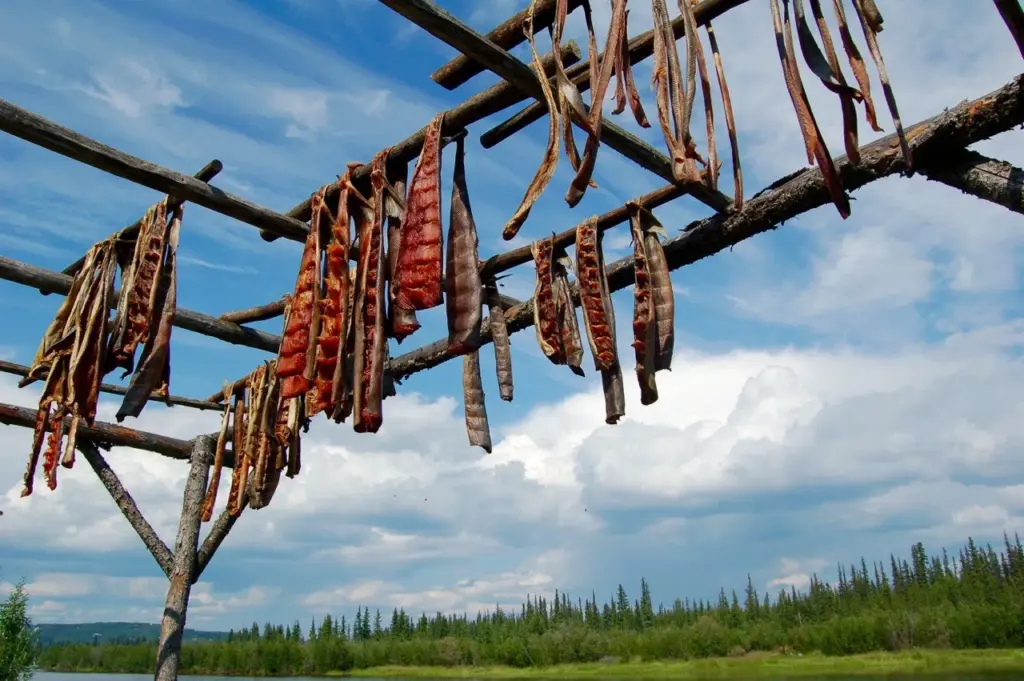
According to the operator, the trip includes a bush pilot demonstration, with a small plane taking off and landing beside the boat; a stop at Trail Breaker Kennel, tied to the late four-time Iditarod champion Susan Butcher, where you see sled dogs and hear how they’re raised and trained; a look at how salmon is prepared for the dogs; reindeer; and a guided walk through Chena Village, which shows the traditional life of the Athabascan peoples of the region. The village walk is the part many people remember longest.
Listings for 2026 put the fare at about $106 for adults and $66 for children aged 3 to 12, with departures at 8:45 a.m. and 2 p.m. daily from May 11 to September 19, 2026. Coffee and donuts are included, and food can be bought on board. Check the current fare on the operator’s booking page, and check your cruisetour itinerary first, because many packages include it.
Verdict: touristy in the best sense. It’s well run, informative and genuinely fun, and it suits every age from toddlers to grandparents. Take the morning departure if you can, so the afternoon is free.
Tips: arrive at Steamboat Landing about 30 minutes early, both to find a good seat and to browse the gift shop without the crowd. Sit outside on the upper deck if the weather is kind, since the bush plane and the kennel stop are best seen from the rail, and bring a layer, because it’s cooler on the water than in town. The boat has indoor seating with big windows if the day turns wet.
2. Gold Dredge 8 and the Trans-Alaska Pipeline
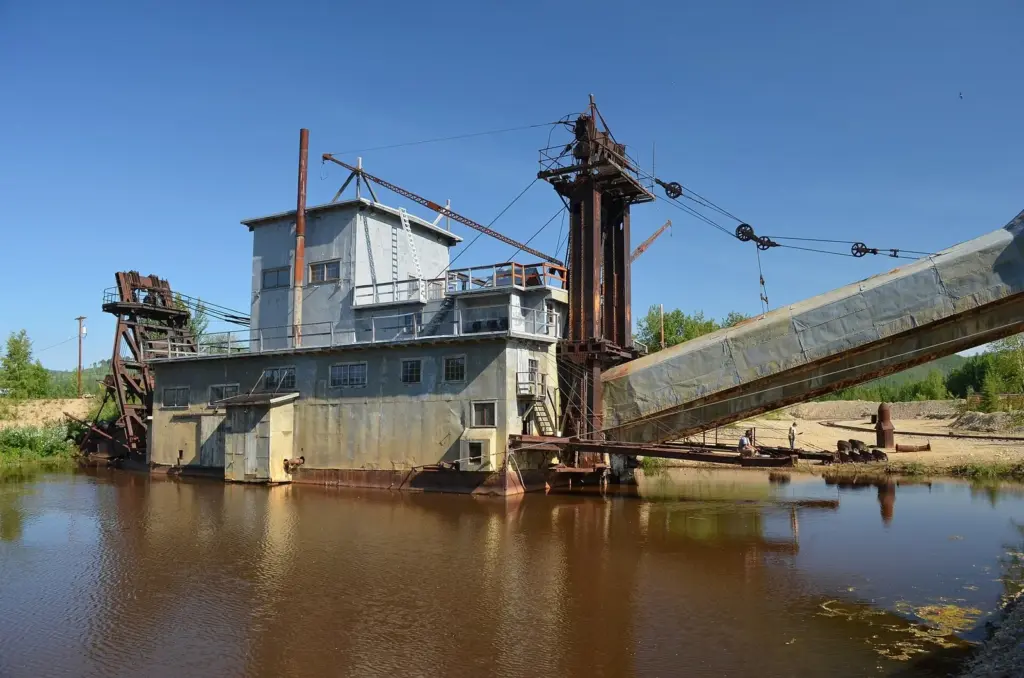
Fairbanks was a gold rush town before it was anything else, and Gold Dredge 8, north of town, is where you see the scale of that history. The dredge is a floating, multistory gold-recovery plant that chewed its way through the creek beds, and the tour takes you on a narrated ride on a replica of the old Tanana Valley Railroad through the gold fields, then into the dredge itself. Tours typically let you try gold panning, and the gold you find is yours to keep.
The tour also stops at the Trans-Alaska Pipeline, which runs close by, for a close look at the 800-mile line that carries crude oil from Prudhoe Bay to Valdez. It’s one of the few places a cruisetour guest can stand beside it and understand how it works, raised on supports to protect the permafrost and able to flex with earthquakes and temperature swings.
Listings for 2026 put the tour at about $76 for adults and $43 for children aged 3 to 12, roughly two hours long, with tours at 10:30 a.m. and 1:45 p.m. from May 11 to September 19, 2026. It pairs well with a morning on the riverboat.
Verdict: the best way to understand gold-rush Fairbanks in two hours, and a hit with kids who get to keep their gold. Skip it only if you’ve already done a panning tour in Skagway or Juneau on the cruise.
Tips: wear shoes you don’t mind getting muddy, since the panning troughs and dredge grounds can be wet. The dredge itself involves stairs and narrow walkways. If your cruisetour doesn’t include transport, ask about pickups from the main hotels when you book, because the dredge is outside town.
3. The University of Alaska Museum of the North
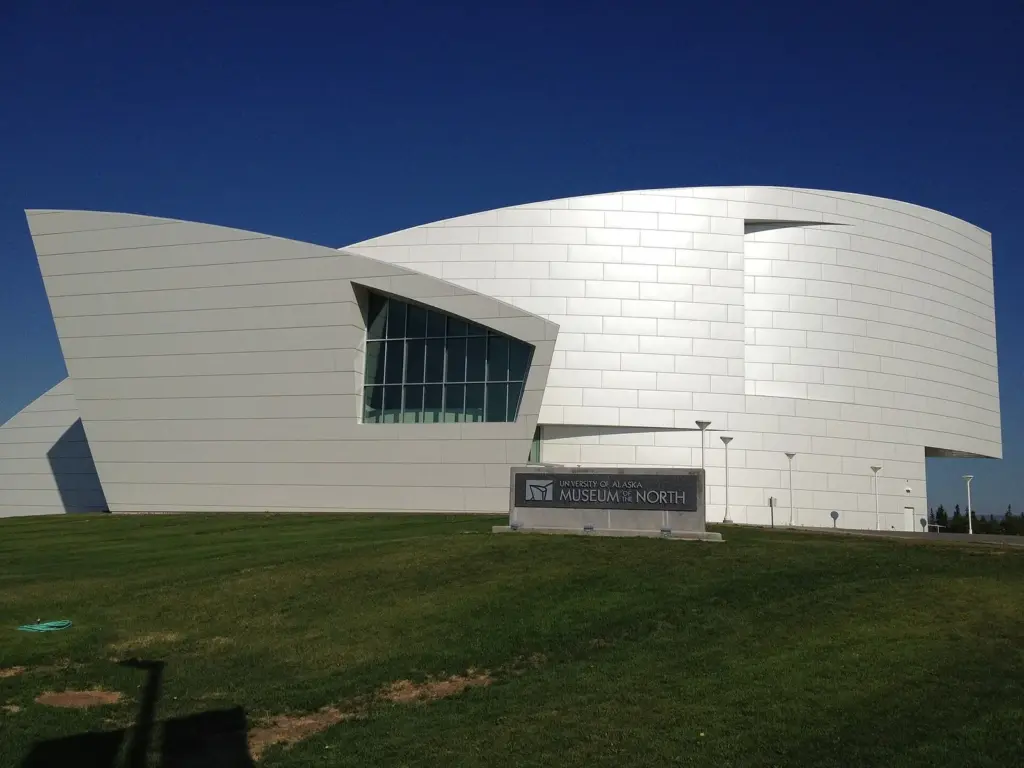
The Museum of the North, on the University of Alaska Fairbanks campus above town, is the best museum in the Interior and one of the best in the state. The Gallery of Alaska walks through the state’s regions, peoples and wildlife, with the kind of big mammal specimens you hope to see from the Denali bus. The Rose Berry Alaska Art Gallery spans, in the museum’s words, 2,000 years of Alaska art, from ancient ivory carvings to contemporary sculpture. And the planetarium runs aurora shows, including “Aurora: Lights of Wonder,” which the museum bills as the first 4K by 4K real-time fulldome aurora show.
The museum lists summer hours of 9 a.m. to 7 p.m. daily from May 17 to September 15, with admissions closing at 6:30 p.m. Its admission prices are $23 for adults aged 18 to 64, $20 for seniors, $15 for youth aged 6 to 17 and $17 for Alaska residents and military or veterans, with children 5 and under free. A museum-plus-planetarium combo costs $32 for adults, $29 for seniors and $20 for youth.
Verdict: the best rainy-afternoon choice in Fairbanks, and worth two hours even in sunshine. If your cruisetour ends in Fairbanks, it’s also the best place to make sense of everything you saw on the way.
Tips: with 90 minutes, start in the Gallery of Alaska, which is organized by region, and look for Blue Babe, a steppe bison found frozen in the permafrost near Fairbanks, one of the museum’s most famous objects. Then walk through the Rose Berry Alaska Art Gallery, and finish on the terrace for the view south over the Tanana Valley toward the Alaska Range, which on a clear day shows the peaks you just left at Denali. Add the planetarium only if you have time to spare or the weather is bad.
4. The pipeline viewing point
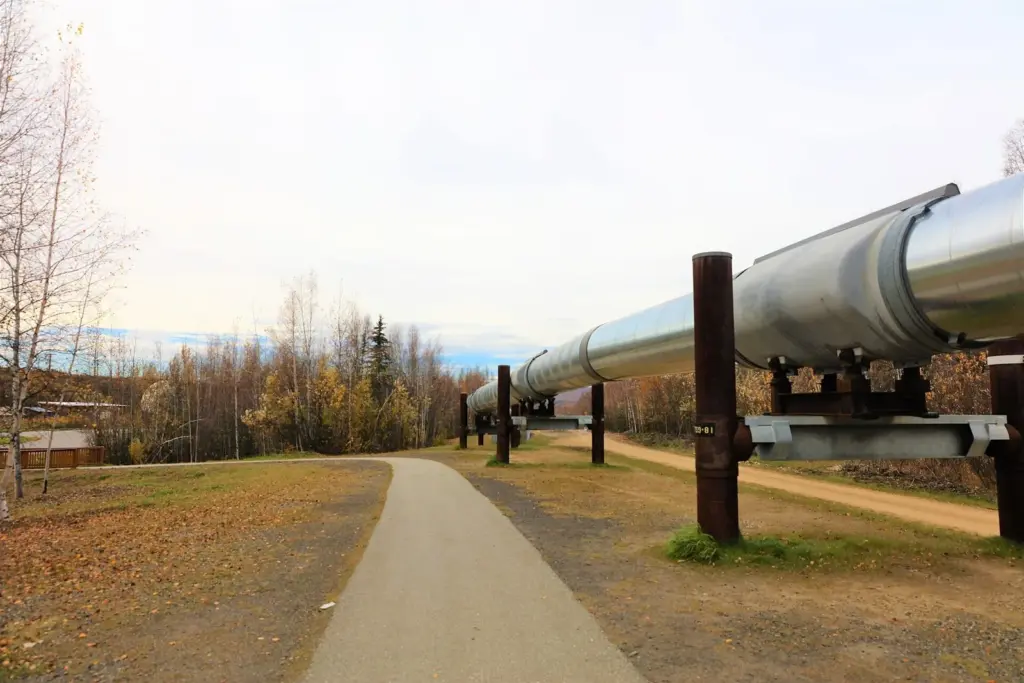
If you’re not doing the dredge tour, you can still see the pipeline for free at the viewing point along the Steese Highway north of town, where interpretive signs explain how the line was built and how it works. A taxi or rental car gets you there in a few minutes from the edge of town. It’s a quick stop, 20 to 30 minutes, and an easy add-on on the way to or from anything north of Fairbanks.
Verdict: worth the short detour if you have a car. Don’t make a special taxi trip just for this if the dredge tour is already in your plans.
5. Pioneer Park
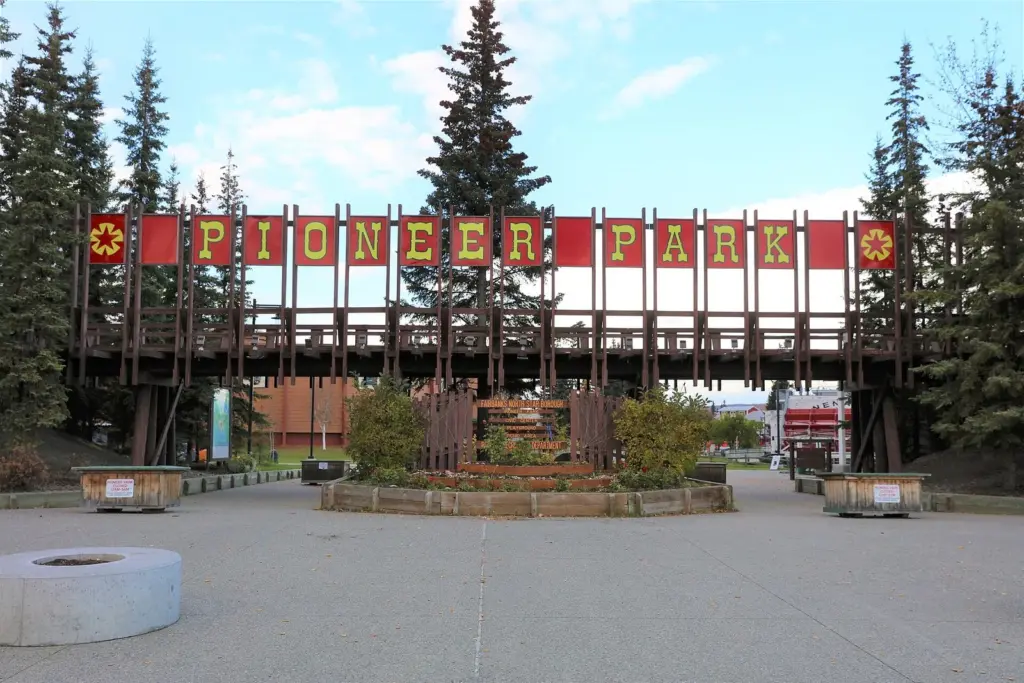
Pioneer Park, on the south bank of the Chena River, is a collection of historic buildings and re-creations celebrating Fairbanks’ past, with a small train around the grounds, a carousel, food, an art gallery and shops in historic cabins, as local guides describe it. It’s a relaxed place to spend a summer evening, and it’s popular with families.
The park is also home to one of the town’s summer salmon bakes, where you can eat grilled salmon, halibut and prime rib outdoors, and to the historic sternwheeler Nenana, a reminder that riverboats were the Interior’s highways before roads and railroads. Check what’s open when you visit, since individual attractions and restaurants set their own hours.
Verdict: the best free-to-enter evening in Fairbanks. Pay for a salmon dinner, wander the old cabins, and enjoy the fact that it’s still broad daylight at 10 p.m.
6. Morris Thompson Cultural and Visitors Center
Downtown on the Chena River, the Morris Thompson Cultural and Visitors Center combines the town’s visitor center with exhibits on Fairbanks history and the Indigenous peoples of the Tanana Valley, past and present. It’s named for Morris Thompson, an Athabascan leader from the region. Local guides describe it as free, and it’s a good first stop to pick up maps and ask what’s on that week.
Verdict: an easy, free hour, and the best place downtown to get oriented. Pair it with a walk along the riverfront and lunch downtown.
7. Chena Hot Springs
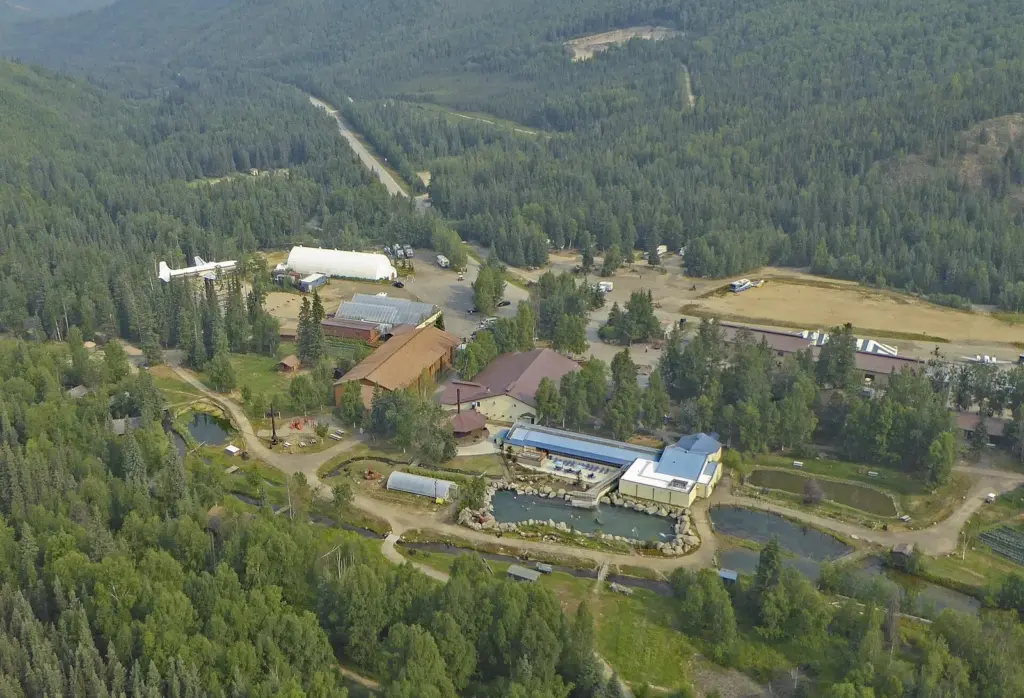
Chena Hot Springs, a resort in a forested valley northeast of town, is Fairbanks’ classic longer outing. You soak in a natural hot-spring rock lake, look around the resort’s ice museum, a building kept frozen year-round with carved ice sculptures, and eat at the resort’s restaurant. It’s about an hour-plus drive each way, so it takes most of a day once you add the soak and the ice museum.
Chena Hot Springs is famous as a winter aurora destination, when people soak outdoors at 20 below while the lights dance overhead. In summer it’s a different place: green, quiet and relaxing, with long light evenings. Rates, age rules for the rock lake and ice-museum tour times change, so check the resort’s site before you go.
Verdict: worth it on a free day if you want a soak and a change of scene, and the best choice for a late-season stay with an aurora chance. On a one-night cruisetour stay, it’s too far.
8. The northern lights (late August onward)
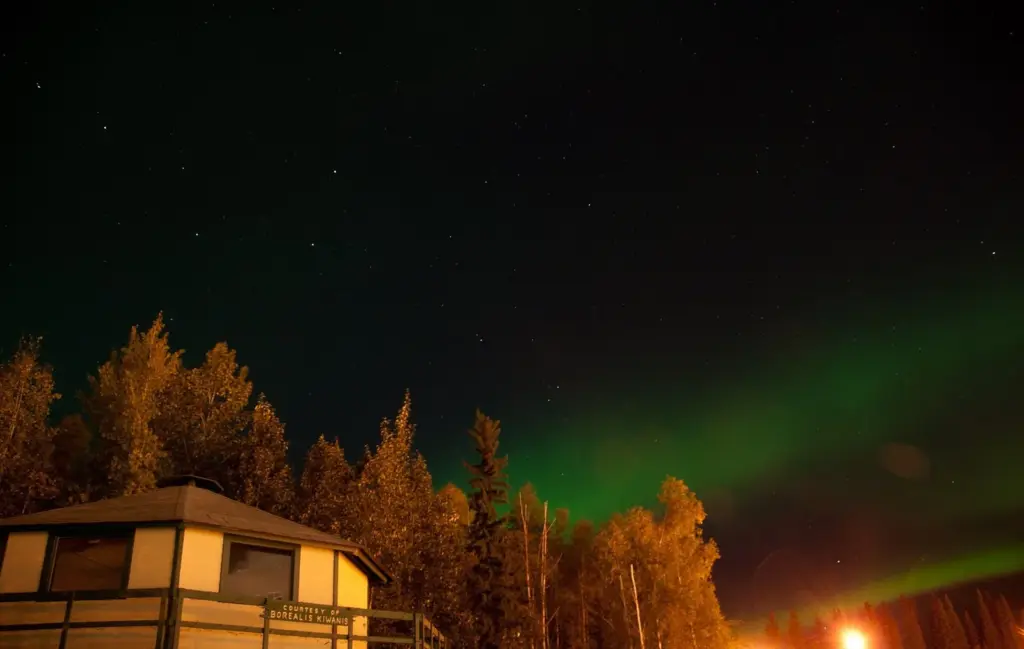
Fairbanks sits under the auroral oval, the ring around the magnetic pole where the northern lights are most frequent, and Explore Fairbanks, the town’s visitor bureau, gives the aurora season as August 21 to April 21. It says the aurora is visible on average four nights out of five during the season when the sky is clear and dark enough, and that visitors who stay at least three nights and are out late in the evening have a better than 90 percent chance of seeing it.
For cruisetour travelers, that means timing is everything. A land tour in June or July won’t see the aurora at all, because it never gets dark. A land tour that reaches Fairbanks in the last week of August or in September has a real chance, especially on a clear night. Look north after about 10:30 p.m. in late August, earlier in September, and get away from the lights of town if you can. Our guide to seeing the northern lights on an Alaska cruise explains which sailings and cruisetours have the best odds.
Verdict: if the northern lights are a dream, book the latest cruisetour of the season that ends in Fairbanks, and add a night or two in town at the end.
9. Creamer’s Field
Creamer’s Field Migratory Waterfowl Refuge, on the edge of town, is a former dairy farm now protected as a bird refuge. In spring and early fall it fills with migrating sandhill cranes, geese and ducks, and in summer it’s a peaceful place for a walk on its trails and boardwalks. The old dairy barns still stand. It’s free to walk, and it’s a good stop for birders and anyone who needs an hour outdoors after a long train ride.
Verdict: lovely in late August and September when the cranes gather, pleasant but quiet in midsummer.
10. The musk oxen and reindeer of the university
The University of Alaska Fairbanks has long kept musk oxen and reindeer for research at its Large Animal Research Station, north of campus, and has offered summer tours and viewing. Check the university’s current schedule if you want to see these Arctic animals up close; they’re a good complement to the museum on the same side of town.
Verdict: a quirky, memorable hour if tours are running during your stay. Pair it with the museum.
11. Santa Claus House in North Pole
About 15 miles southeast of Fairbanks is the town of North Pole, where it’s Christmas all year. Santa Claus House is a big, cheerful gift shop and photo stop, with Christmas decor in July and the chance to send letters postmarked North Pole. It’s kitsch, and it knows it.
Verdict: a fun stop with young children or on the drive in from the south. Skip it if you have limited time and no kids.
12. The Fountainhead Antique Auto Museum
Fairbanks has an unexpectedly good car museum. The Fountainhead Antique Auto Museum houses restored early automobiles, many of them rare, displayed with period fashion and stories of motoring in the North. Local guides rate it highly, and it’s a good indoor choice on a rare rainy afternoon.
Verdict: essential for car lovers, and a pleasant surprise for their companions.
13. A trip to the Arctic Circle
For many travelers, standing on the Arctic Circle is the reason to come this far north. From Fairbanks, tour companies run Arctic Circle day trips by small plane or by road along the Dalton Highway, which follows the pipeline north. The drive is very long, a full day of gravel road; flying is faster and gives you a view of the Yukon River and the tundra. Prices and schedules vary by operator.
Fly or drive? Flying is the better choice for most cruisetour guests: you’re back the same evening, you see the Yukon River and the endless spruce and tundra from above, and you don’t spend 12 or more hours on gravel. Driving is for people who want the road itself, the pipeline beside them for mile after mile and the chance of a wildlife sighting on the way. Some trips combine the two, flying one way and driving the other. Whichever you choose, you’ll usually get a photo at the Arctic Circle sign and bragging rights for life.
Verdict: a bucket-list trip for the adventurous with a free day and a healthy budget. Not a fit for a one-night stay.
14. The Chena River and a riverfront walk
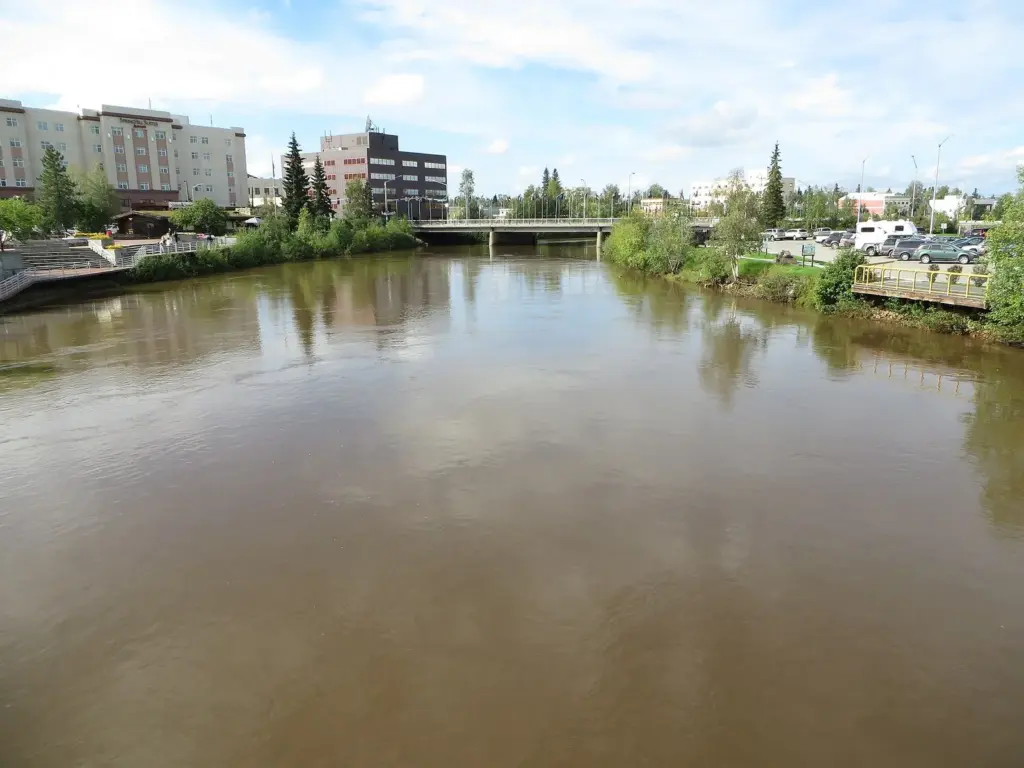
The Chena River runs through the middle of Fairbanks, and walking or paddling it is one of the simplest pleasures in town. Riverfront paths downtown connect the Morris Thompson center, Golden Heart Plaza and nearby restaurants, and local outfitters rent canoes and kayaks for a lazy float on summer afternoons. The water is cold and the current real, so wear the life jacket.
Verdict: a free, relaxing evening activity, and the best way to feel the long summer light.
15. The Geophysical Institute
The University of Alaska Fairbanks’ Geophysical Institute is one of the world’s leading centers for aurora, volcano and earthquake research, and it has offered free public tours in summer, which local guides list as Wednesdays at 1 p.m. If you’re a science fan in town on the right day, it’s a rare look behind the scenes. Confirm the schedule with the institute before you go.
Verdict: a hidden treat for curious minds, if the timing works.
16. Summer events: the solstice and the midnight sun game
Fairbanks celebrates the longest day of the year in style, with a downtown street festival around the June solstice and the Midnight Sun Baseball Game, a long tradition in which the local team plays a late-evening game without artificial lights. If your land tour falls near June 21, ask your hotel what’s on; it’s the most Fairbanks night of the year.
Verdict: worth planning around if your dates line up, and a great story to take home.
17. Local markets, shops and food
Fairbanks has a lively summer farmers market with local produce (grown fast in the 20-plus hours of daylight), crafts and food stalls, and downtown galleries sell Alaska Native art and work by local artists. For food, look for salmon, halibut and reindeer sausage, and try a local brewery. When you buy Alaska Native art, look for the Silver Hand label, which identifies authentic work by Alaska Native artists.
Verdict: the best place on a cruisetour to buy art directly from the Interior. Budget time for it if souvenirs matter to you.
18. Flightseeing
Small-plane flightseeing from Fairbanks ranges from short scenic flights over the rivers to longer trips toward the Alaska Range and Denali. If you’re heading to or coming from the park, our Denali flightseeing guide compares flights from Talkeetna, Healy and Fairbanks, which is usually the farthest base from the mountain.
Verdict: book Denali flights from closer bases; save Fairbanks flights for the Arctic Circle.
A short history of Fairbanks
Fairbanks makes more sense once you know how it came to be. The Tanana River valley has been home to Athabascan peoples for thousands of years, and their villages, fish camps and trails long predate the town. Fairbanks itself began almost by accident in 1901, when a trader named E.T. Barnette, trying to reach the upper Tanana with a boatload of supplies, was put ashore on the Chena River when the water got too shallow. A year later, an Italian prospector named Felix Pedro found gold in the hills to the north, and the rush was on.
The town took its name from Charles Fairbanks, a senator from Indiana who later became vice president. For its first decades it lived on gold, first dug by hand and later worked by huge floating dredges like the one you can tour today. The Alaska Railroad reached Fairbanks in 1923, tying the Interior to the coast, and the University of Alaska began as the Alaska Agricultural College and School of Mines, founded in 1917. World War II brought an army airfield and a stream of military aircraft ferried to the Soviet Union, and the 1970s brought the biggest boom of all, when the Trans-Alaska Pipeline was built north and south of town.
You can trace most of that story in a day: the Athabascan village on the riverboat, the gold fields and dredge, the pipeline, the pioneer cabins in Pioneer Park and the museum on the university hill. That’s the real reason Fairbanks works so well as a cruisetour stop. It’s the one place on the trip where Alaska’s twentieth-century history is laid out in front of you.
Athabascan culture and Alaska Native art in Fairbanks
Fairbanks sits in the homeland of the Tanana Athabascan people, and it’s a regional center for Alaska Native life across the Interior. Tanana Chiefs Conference, the tribal consortium serving dozens of Interior communities, is based here, and Alaska Native people from villages across the region come to Fairbanks for school, work, medical care and events.
For visitors, there are three good ways to engage respectfully. The Riverboat Discovery’s Chena Village stop introduces traditional Athabascan life on the river, from fish wheels and drying racks to winter clothing. The Morris Thompson Cultural and Visitors Center tells the story of the Tanana Valley’s Indigenous peoples in their own terms. And in July, the World Eskimo-Indian Olympics brings Alaska Native athletes from across the state to compete in traditional games such as the knuckle hop, the ear pull and the blanket toss, a remarkable event if your dates line up.
If you buy Alaska Native art, buy it well. Look for the state’s Silver Hand label, which identifies authentic work by Alaska Native artists, ask who made a piece and where, and be wary of cheap “Native-style” souvenirs made elsewhere. Beadwork, birch-bark baskets, and caribou-hair and porcupine-quill work are traditional in the Interior, and buying directly from artists or reputable galleries puts the money where it belongs.
Where to see wildlife around Fairbanks
Fairbanks isn’t a wildlife destination the way Denali is, but you’ll see more than you expect:
- Moose wander through Fairbanks neighborhoods, green belts and even parking lots, especially early and late in the day. Give them plenty of room; a moose is far more dangerous than it looks, especially a cow with a calf.
- Sandhill cranes, geese and ducks gather at Creamer’s Field, most dramatically in spring and late summer.
- Sled dogs are everywhere in Interior culture, and you’ll meet them on the riverboat’s kennel stop.
- Reindeer and musk oxen are part of the riverboat trip and, when tours run, the university’s research station.
- Bears, caribou and Dall sheep are Denali’s department. Our Denali bus tours guide covers your best chances.
What to eat in Fairbanks
Fairbanks food is hearty and unpretentious, and a few things are worth seeking out while you’re here. Salmon is the obvious one, and an outdoor salmon bake on a warm summer evening is a Fairbanks ritual. Halibut, often as fish and chips, is on nearly every menu. Reindeer sausage turns up at breakfast and in hot dog stands. Look for birch syrup, a local specialty made from the sap of Interior birch trees, and berry desserts in late summer when blueberries and cranberries ripen.
Fairbanks also has a good local brewing scene and a handful of excellent restaurants, many of them on or near the Chena River. Ask your lodge staff where they eat, and book dinner ahead on busy summer weekends, when cruisetour groups, summer workers and visitors all converge on the same tables.
What your cruisetour includes, and what to book yourself
Before you spend a dollar in Fairbanks, find out what your package already covers. Cruisetours differ by line, by itinerary and by direction.
| Item | Often included in a cruisetour | Usually extra |
|---|---|---|
| Rail or motorcoach to and from Denali | Yes | Upgrades to premium rail classes on some lines |
| Hotel nights in Fairbanks | Yes | Extra nights before or after |
| Riverboat Discovery | Often | If it isn’t included |
| City sightseeing | Sometimes | Individual museums and tours |
| Gold Dredge 8, museum, hot springs | Rarely | Usually |
| Meals in town | Rarely | Usually |
| Luggage handling between stops | Yes on most lines | Tips for porters |
Princess, for example, says its cruisetours offer three or more nights on land, use glass-domed railcars on its Direct-to-the-Wilderness rail service and include luggage handling between locations during the land portion. Holland America says every cruisetour includes a ride on its McKinley Explorer train and a Tundra Wilderness Tour in Denali. Royal Caribbean says its cruisetours include motorcoach transport and seats on the Wilderness Express, but not meals or drinks on the train. Our guides to the Princess Alaska cruisetour and Holland America land and sea packages go through what each line includes, and our Alaska land and sea packages page compares them all.
How the big lines handle the land portion
| Line | Rail to and from Denali | What the line says is included | Fairbanks notes |
|---|---|---|---|
| Princess | Glass-domed cars on its Direct-to-the-Wilderness service | Three or more nights on land and luggage handling between stops | Owns the Fairbanks Princess Riverside Lodge on the Chena |
| Holland America | The glass-domed McKinley Explorer | A Tundra Wilderness Tour in Denali on every cruisetour, and 1 to 3 nights at its Denali Lodge | Some ‘Alaska, Denali & Yukon’ itineraries add Dawson City and a Klondike gold-rush excursion |
| Royal Caribbean | The glass-domed Wilderness Express cars | Motorcoach transport and railcar seats, not meals on the train, plus a narrated tour into Denali | Land tours of 2 to 6 nights before or after the cruise |
| Celebrity | The Wilderness Express cars | Denali cruisetours sold alongside its Alaska sailings | Check the day-by-day plan for Fairbanks nights |
The details change by itinerary, so treat this as a guide to the questions to ask rather than a promise of what’s in your package.
Verdict: if the riverboat isn’t in your package, book it first. Then add one of the dredge, the museum or the hot springs, depending on your interests and time.
Things to do in Fairbanks in one day
Here’s a plan for a single free day in Fairbanks in summer, assuming you’re staying at a riverside lodge and using taxis or a rental car.
| Time | Plan |
|---|---|
| 8:15 a.m. | Arrive at Steamboat Landing |
| 8:45 to 11:45 a.m. | Riverboat Discovery |
| Noon | Lunch downtown or on the way north |
| 1:45 to 3:45 p.m. | Gold Dredge 8, with the pipeline stop |
| 4:30 to 6:30 p.m. | Museum of the North (admissions close 6:30 p.m.) |
| Evening | Pioneer Park and a salmon dinner, then a riverside walk in the midnight light |
That’s a full, satisfying day that covers river culture, the gold rush, the pipeline, Alaska’s natural and Native history, and a very Fairbanks evening. If it’s too much, drop the museum and take it slower.
Things to do in Fairbanks in two days
Day 1: the one-day plan above, or the riverboat in the morning and the museum in the afternoon, with Pioneer Park in the evening.
Day 2: choose a theme.
- Relax: a day trip to Chena Hot Springs, with a soak, the ice museum and dinner at the resort before driving back in the evening light.
- Adventure: an Arctic Circle trip by air or road, if you want to cross that line on the map.
- Easy and local: Creamer’s Field in the morning, the Morris Thompson center and downtown galleries, lunch, the Fountainhead Antique Auto Museum, and a paddle on the Chena.
- Families: Santa Claus House in North Pole in the morning, the university’s musk oxen if tours are running, and an evening at Pioneer Park.
If you’re there in late August or September, keep the second night free for the northern lights, and don’t book an early flight out the next morning.
A three-night aurora plan for late-season cruisetours
If your cruisetour reaches Fairbanks after about August 21 and seeing the northern lights matters to you, add nights. Explore Fairbanks says visitors who stay at least three nights and are out late have a better than 90 percent chance of seeing the aurora, and that’s the logic behind this plan.
- Book three nights and a rental car. The car lets you escape town lights and chase clear skies.
- Check two forecasts every afternoon. The weather forecast tells you whether the sky will be clear, and the University of Alaska Fairbanks Geophysical Institute’s aurora forecast tells you how active the lights are likely to be. Clear skies matter more than a high aurora number.
- Sleep in the afternoon. The best viewing is usually from late evening into the small hours. Nap after your daytime tour so you can stay out.
- Drive to dark hills. Popular spots include the high ground north of town, such as Murphy Dome and the summits along the Steese Highway, and the valley at Chena Hot Springs, where you can combine a soak with the show.
- Dress for cold. Even in early September, nights drop into the 30s. Bring a warm hat, gloves and a thermos.
- Keep the days easy. Plan museums and short tours in the daytime, and don’t book an early flight after the last night.
If the skies stay cloudy, the planetarium’s aurora show at the Museum of the North is the consolation prize, and it’s genuinely good.
A rainy or smoky day in Fairbanks
Fairbanks summers are mostly dry, but rain happens, and some years wildfire smoke hangs over the Interior for days. When the outdoors isn’t inviting, this indoor plan works well:
- Morning at the Museum of the North, with a planetarium show
- Lunch downtown, then the Morris Thompson Cultural and Visitors Center
- Afternoon at the Fountainhead Antique Auto Museum
- Browse the downtown galleries for Alaska Native art
- An early dinner, then the riverboat’s gift shop or a local brewery
The Riverboat Discovery runs in the rain and has indoor seating, so it’s a good all-weather choice too.
Free things to do in Fairbanks
Not everything in Fairbanks costs money. If your budget went on the cruise, these are free or nearly so:
- The Morris Thompson Cultural and Visitors Center, downtown
- Pioneer Park’s grounds, historic cabins and riverboat (pay only for food and rides)
- The pipeline viewing point on the Steese Highway
- Creamer’s Field trails and the old dairy barns
- The riverfront paths and Golden Heart Plaza downtown
- The midnight sun itself, and in late summer the northern lights
The catch is transport: Fairbanks is spread out, and free attractions still need a car, a taxi or a lodge shuttle to reach.
Day trips and drives from Fairbanks
If you have a car and a free day, the country around Fairbanks rewards a drive. None of these is essential on a short stay, but each shows a side of the Interior the main tours miss.
Chena Hot Springs Road and Angel Rocks
The road to Chena Hot Springs runs through the Chena River State Recreation Area, a big stretch of forest, river and granite hills. The Angel Rocks trail, a loop of a few miles to a set of granite tors with wide views, is one of the most popular day hikes near Fairbanks. Combine it with a soak at the hot springs at the end of the road for a full, satisfying day.
Murphy Dome and the hills north of town
The domes and summits north of Fairbanks give sweeping views over the Tanana Valley and, on a clear day, toward the Alaska Range. They’re also the classic aurora-watching spots later in the season, because they’re high, dark and away from town lights.
Ester
Just west of Fairbanks, the small community of Ester grew up as a gold-mining camp and still has a frontier feel. It’s a short drive and a pleasant stop on the way toward the university or Nenana.
Nenana
About an hour southwest of Fairbanks on the road to Denali, Nenana is a railroad and river town where the Tanana and Nenana rivers meet. It’s home to the Nenana Ice Classic, a statewide betting tradition since 1917 in which people guess the exact minute the river ice breaks up each spring. If you’re driving between Denali and Fairbanks, it’s a worthwhile stretch-your-legs stop.
North Pole and the road south
Southeast of Fairbanks, North Pole’s Santa Claus House is an easy stop on the Richardson Highway. Beyond it, the road runs toward Delta Junction and eventually Valdez, but that’s a separate trip, not a day out.
Verdict: with one free day and a car, choose between the hot springs road with Angel Rocks, or the domes north of town with the pipeline and Gold Dredge 8 on the way.
Getting around Fairbanks
Fairbanks isn’t a walking town. The airport, the riverside lodges, the riverboat landing, the university and downtown are spread over several miles, and the big tours are farther out. Your options:
- Lodge shuttles: cruisetour hotels often run shuttles to the riverboat, the airport and sometimes downtown. Ask at the desk as soon as you arrive.
- Tour pickups: some tours pick up at the main hotels, which is by far the easiest way to do the dredge or the hot springs.
- Taxis and rideshares: available, but waits can be long at busy times. Book ahead for early tours.
- Rental cars: the most flexible option for a full free day or an extra night, and essential if you want to chase the aurora away from town lights.
If you’re continuing on your own after the cruisetour, our Alaska self drive tour guide covers driving the Interior, and our Kenai Peninsula itinerary is the natural next leg south of Anchorage.
Practical tips: smoke, mosquitoes, money and phones
- Wildfire smoke. Interior Alaska has a real summer fire season, usually peaking in late June and July. Some years, smoke hazes the sky for days, and flightseeing can be canceled. If you have breathing problems, bring your medication and check air quality each morning.
- Mosquitoes. Fairbanks’ mosquitoes are famous for a reason, especially near water in June and early July. Pack repellent and a light long-sleeved shirt for evenings on the river.
- Sun. With 20-plus hours of daylight, sunburn is a real risk on long days outdoors. Bring sunscreen and sunglasses.
- Sleep. Blackout curtains or an eye mask make the difference between a good day and a groggy one.
- Money and phones. Fairbanks has all the usual banks, ATMs and cell coverage, and cards are accepted almost everywhere. Coverage drops off quickly outside town, including on the way to Chena Hot Springs and on the Dalton Highway.
- Distances. Everything is farther apart than it looks on a map. Give yourself generous time between tours.
Staying safe and respectful in Fairbanks
- Moose: they’re common in town and can be aggressive, especially cows with calves. Keep at least a couple of car lengths away, never get between a cow and her calf, and back off if a moose lays its ears back.
- Rivers: the Chena and Tanana are cold and faster than they look. Wear a life jacket on any boat or paddle trip, and don’t wade in to cool off.
- Cultural sites: ask before photographing people at cultural demonstrations, and treat Alaska Native villages, cemeteries and fish camps as the private places they are.
- Driving: watch for moose on the road, especially at dusk, and remember that gravel roads such as the Dalton Highway are hard on rental cars; many rental contracts forbid them.
- Heat: yes, heat. On a sunny 80-degree afternoon, carry water, especially with children at the dredge or Pioneer Park.
What to pack for Fairbanks
Packing for a cruisetour is tricky, because the coast and the Interior are different worlds. The cruise wants rain gear; Fairbanks wants shorts one afternoon and a warm hat the next morning. For the Fairbanks part of your trip, make sure you have:
- Light layers: T-shirts, a long-sleeved shirt, a fleece and a light rain jacket
- Comfortable walking shoes that can handle mud at the dredge
- Insect repellent and a long-sleeved shirt for evenings by the river
- Sunglasses, sunscreen and a hat for 20-hour days
- An eye mask or a room with blackout curtains
- For late-season trips: a warm hat, gloves, a warm jacket and a small tripod for the aurora
- Any medication you need for smoke if you have asthma or similar conditions
Some lines limit luggage during the land portion, especially around Denali, so check your line’s rules before you pack a second suitcase.
Photographing the midnight sun and the northern lights
Fairbanks is one of the best places on a cruisetour for photography, for two very different reasons.
The midnight sun. In June and July the light is low and golden for hours in the late evening. The best shots come between about 10 p.m. and 1 a.m., when the sun skims the northern horizon and the river turns gold. Head to the riverfront, Pioneer Park or a hilltop on the university campus.
The aurora. From late August, bring a tripod, a wide-angle lens and a camera that can shoot long exposures. Settings around ISO 1600 to 3200 with exposures of 5 to 15 seconds are a good starting point, and many new phones have a night mode that works surprisingly well on a steady surface. Get away from town lights, turn off your flash, and be patient: the aurora often builds slowly, then explodes across the sky for a few minutes.
What things cost in Fairbanks
| Item | 2026 price | Notes |
|---|---|---|
| Riverboat Discovery | About $106 adult, $66 child (3 to 12) | Listed price; often included in cruisetours |
| Gold Dredge 8 | About $76 adult, $43 child (3 to 12) | Listed price; includes the pipeline stop |
| Museum of the North | $23 adult, $20 senior, $15 youth | $32 adult with the planetarium |
| Alaska Railroad, Anchorage to Fairbanks | $294 Adventure Class, $553 GoldStar, one way | Cruisetour guests usually ride the line’s own cars |
| Pioneer Park, Creamer’s Field, Morris Thompson center | Free to enter | Pay for food, rides and tours |
For a family of four doing the riverboat, the dredge and the museum without any of them included, you’re looking at roughly $600 to $700 before meals and transport. For the whole trip budget, our answer to the question is an Alaska cruisetour worth it runs the numbers against a cruise-only vacation.
Booking tips for Fairbanks tours
- Check inclusions first. Your cruisetour documents list what’s included; don’t pay twice for the riverboat.
- Book the riverboat and dredge ahead in July. Both run twice a day and fill with cruisetour groups on busy dates.
- Ask about transport when you book. Pickups from the main hotels save you a taxi and a lot of waiting.
- Keep the flexible things flexible. The museum, Pioneer Park and the riverfront don’t need advance planning, so fit them around the timed tours.
- Watch the season ends. In 2026 the museum’s summer hours ended September 15 and the riverboat and dredge ran through September 19; late-season travelers should confirm dates.
A family day in Fairbanks
Traveling with children? Here’s a day built around them, with enough breaks for everyone:
- Morning: the Riverboat Discovery, where the bush plane, the sled dogs and the reindeer keep even small children busy for three hours.
- Lunch: something quick, and a rest back at the lodge if little ones need a nap.
- Afternoon: Gold Dredge 8, where the train ride and gold panning are the highlights, and the pipeline makes a good science lesson.
- Evening: Pioneer Park for the carousel, the little train and dinner outdoors.
- Bedtime: eye masks and blackout curtains, and a firm word about the sun still being up.
If you have a second day, Santa Claus House and the Museum of the North round out a family visit nicely.
Fairbanks with kids, seniors and limited mobility
With kids: the riverboat (sled dogs and a bush plane), the dredge (gold panning), Pioneer Park (a train and a carousel) and Santa Claus House are made for children. The midnight sun can wreck bedtimes, so keep blackout curtains or eye masks handy and don’t fight it too hard.
Seniors: the riverboat is comfortable, with indoor and outdoor seating, and the museum has elevators and benches. The dredge involves some walking and stairs, so ask about accessibility when you book.
Limited mobility: call ahead to every tour. The riverboat’s village stop involves walking on paths, and the dredge has uneven ground. The museum and Pioneer Park are the easiest options. Lodge shuttles and taxis make the distances manageable.
Where Fairbanks fits with Denali
Most cruisetours put Denali and Fairbanks side by side, because the park sits on the railroad between the two, much closer to Fairbanks than to Anchorage. The park itself has its own guides on this site: our Denali cruise tour page, our guide to Denali lodges and our pages on Denali bus tours and the Denali Park Road. The big news for 2027 is the road. The National Park Service announced on September 3, 2026 that the Pretty Rocks Bridge is complete, and it expects full bus service to Eielson Visitor Center, Wonder Lake and Kantishna to resume for the 2027 season.
If your cruisetour also stops in Talkeetna, our guide to things to do in Talkeetna covers the town at the other end of the rail line from Fairbanks.
Is Fairbanks worth adding to your cruisetour?
If you’re choosing between cruisetour packages, the question is whether the Fairbanks nights are worth their cost in money and time. Our answer: usually yes, with some caveats.
Add Fairbanks if you want to understand Alaska beyond the coast, you’re curious about the gold rush and the pipeline, you want the best shot at the northern lights on a late-season trip, or you’re traveling with children who’ll love the riverboat and gold panning. The warm, dry summer weather is a welcome change after a week of coastal rain.
Skip or shorten it if your time is tight and Denali is the priority, flights home from Fairbanks are much more expensive than from Anchorage, or you’d rather spend the extra nights on the Kenai Peninsula, where glaciers and wildlife are closer to the coast you just cruised.
Verdict: one night in Fairbanks is enough for the riverboat and a riverside evening. Two nights let you see it properly. Three nights, late in the season, are the aurora play.
Mistakes to avoid in Fairbanks
- Double-booking the riverboat. Check your cruisetour inclusions before you buy tickets.
- Assuming you can walk everywhere. Plan taxis, shuttles or a rental car.
- Counting on the northern lights in June or July. It doesn’t get dark. The season starts around August 21.
- Packing only for cold. Fairbanks summers are warm; bring layers, sunglasses and bug spray.
- Booking an early flight after an aurora night. You’ll be up past midnight.
- Trying to fit Chena Hot Springs into a one-night stay. It needs most of a day.
For everything else about combining a cruise with the Interior, head back to our Alaska cruisetour guide.
Things to do in Fairbanks FAQ
What is Fairbanks, Alaska known for?
Fairbanks is known for its gold-rush history, the Trans-Alaska Pipeline, the University of Alaska Fairbanks and its Museum of the North, the midnight sun in summer and the northern lights from late August to April. For cruisetour guests, it’s also known for the Riverboat Discovery sternwheeler trip on the Chena and Tanana rivers.
Is the Riverboat Discovery worth it?
Yes. It’s a three-hour sternwheeler trip with a bush plane demonstration, sled dogs at Trail Breaker Kennel and a guided walk through Chena Village, which shows traditional Athabascan life. Listings put it at about $106 for adults in 2026, and many cruisetours include it, so check your itinerary before booking it separately.
Can you see the northern lights in Fairbanks in summer?
Not in June or July, because the sky never gets fully dark. Explore Fairbanks gives the aurora season as August 21 to April 21, and says the aurora is visible on average four nights out of five when it’s clear and dark. Cruisetours reaching Fairbanks in late August or September have a real chance.
How many days do you need in Fairbanks?
One full day covers the highlights: the Riverboat Discovery, Gold Dredge 8 and the Museum of the North, with Pioneer Park in the evening. Two days lets you add Chena Hot Springs, an Arctic Circle trip or a slower day downtown. Late in the season, add a night for aurora watching.
What is the weather like in Fairbanks in summer?
Warm and fairly dry. NOAA’s 1991-2020 normals put Fairbanks’ average July high at 72.7°F and its average July low at 53.1°F, with 2.26 inches of rain for the month. June nights barely get dark, with the sun rising at 2:58 a.m. and setting after midnight around the solstice.
How far is Chena Hot Springs from Fairbanks?
Chena Hot Springs Resort is in a forested valley northeast of Fairbanks, a drive of more than an hour each way. With a soak, the ice museum and a meal, it takes most of a day. It’s a good choice for a free day on a two-night stay, and too far for a one-night cruisetour stop.
What is free to do in Fairbanks?
The Morris Thompson Cultural and Visitors Center, Pioneer Park’s grounds, the pipeline viewing point on the Steese Highway, Creamer’s Field and the downtown riverfront are all free or nearly free, as are the midnight sun and, in late summer, the northern lights. You’ll still need a car, a taxi or a shuttle to reach most of them.
Where do cruisetours stay in Fairbanks?
It depends on the line. Princess uses its own Fairbanks Princess Riverside Lodge, a 326-room, year-round hotel on the Chena River that opened in 1993. Other lines book Fairbanks hotels of their choosing. Riverside lodges are pleasant but not downtown, so ask about shuttles to the riverboat, the airport and the town center.
Related Alaska Cruise Guides
Sources and How We Checked
We checked the prices, rules, schedules and ship deployments in this guide against the sources below on September 26, 2026, and we log each one in our research database with the date it was checked. Cruise lines change ships, fares and fees every season, so confirm anything that affects your booking with the line or the agency concerned. Alaska Cruise Guide (AlaskaCruise.org) is an independent publication. It is not affiliated with any cruise line, port, tour operator or tourism office, and no one paid to be included.
- Alaska Railroad: Alaska Railroad fares
- Alaska Railroad: Alaska Railroad
- alaskatours.com: Gold Dredge 8
- alaskatours.com: Riverboat Discovery
- Celebrity Cruises: Celebrity Cruises
- Explore Fairbanks: Fairbanks northern lights
- Explore Fairbanks: Fairbanks attractions
- Holland America Line: Holland America cruisetours
- National Park Service: Denali Park Road
- NOAA National Centers for Environmental Information: Fairbanks weather
- NOAA National Centers for Environmental Information: Ketchikan weather
- Princess Cruises: Princess cruisetours
- Princess Cruises: Princess cruisetours
- Princess Cruises: Princess lodges
- riverboatdiscovery.com: Riverboat Discovery
- Royal Caribbean: Royal Caribbean cruisetours
- travelagentcentral.com: Holland America cruisetours
- U.S. Naval Observatory: Fairbanks daylight
- uaf.edu: Museum of the North
- uaf.edu: Museum of the North
Photo Credits
- Sternwheeler Discovery III, Fairbanks: photo by Gillfoto, via Wikimedia Commons (CC BY-SA 3.0)
- Salmon drying at Chena Village, Riverboat Discovery: photo by Brian, via Wikimedia Commons (CC BY 2.0)
- Gold Dredge No. 8, Fairbanks: photo by Geoff0522, via Wikimedia Commons (CC BY-SA 3.0)
- University of Alaska Museum of the North: photo by Maureen amerune, via Wikimedia Commons (CC BY 2.0)
- Trans-Alaska Pipeline near Fairbanks: photo by Enrico Blasutto, via Wikimedia Commons (CC BY-SA 4.0)
- Pioneer Park entrance, Fairbanks: photo by Enrico Blasutto, via Wikimedia Commons (CC BY-SA 4.0)
- Chena Hot Springs aerial view: photo by David Lippincott, via Wikimedia Commons (CC BY-SA 4.0)
- Aurora over Fairbanks: photo by Deepti Hari, via Wikimedia Commons (CC BY 2.0)
- Chena River, downtown Fairbanks: photo by Bernt Rostad, via Wikimedia Commons (CC BY 2.0)